- You need at least a 4-inch (100mm) aperture to see Saturn's rings clearly separated from the disk.
- A 6-inch telescope reveals the Cassini Division, cloud banding, and Saturn's largest moon Titan.
- An 8-inch or larger shows color variations in the rings, multiple moons, and subtle atmospheric detail.
- Even a 70mm beginner scope can show Saturn as a ringed planet, just without fine detail.
- Magnification matters, but aperture is the limiting factor for how much detail you can resolve.
🌌 Get Weekly Stargazing Tips
Join 1,000+ astronomers. No spam, just sky.
Saturn is one of the most breathtaking objects you can see through a telescope. Those iconic rings, the pale golden disk, the tiny pinpoints of its moons: there is nothing else quite like it in the night sky.
But how big of a telescope do you actually need? The answer depends on what you want to see. A small scope will show you the rings exist. A larger one will show you details within those rings that make your jaw drop.
In this guide, we break down exactly what each telescope aperture size reveals when pointed at Saturn, recommend specific telescopes from our catalog, and cover the accessories that will take your views to the next level.
The Short Answer
You need a telescope with a minimum 4-inch (100mm) aperture to see Saturn clearly. At this size, you will see the rings distinctly separated from the planet's disk, along with the shadow the planet casts on the rings.
However, larger telescopes reveal dramatically more detail. Here is the quick breakdown:
- 60-70mm (2.4-2.8"): Saturn appears as a tiny oval. You can tell it has rings, but they are not cleanly resolved from the disk.
- 80-90mm (3.1-3.5"): Rings are clearly separated. You may glimpse Saturn's shadow on the rings on a good night.
- 100-130mm (4-5"): The Cassini Division (the dark gap in the rings) becomes visible under good seeing. Titan, Saturn's largest moon, appears as a bright dot nearby.
- 150-200mm (6-8"): Cloud bands on the planet's disk. The Cassini Division is obvious. Multiple moons visible. Color differences between the inner and outer rings.
- 250mm+ (10"+): Subtle atmospheric features, the Encke Gap in good conditions, and five or more moons.
What Each Aperture Size Reveals on Saturn
Small Telescopes (60-90mm)
If you are just starting out, a 70mm or 80mm refractor will absolutely show you Saturn. At 50-75x magnification, the planet appears as a small golden disk with what looks like tiny ears or a slight elongation. On a steady night, you can push to 100-120x and start to see the rings as separate from the disk.
This is enough to spark a lifelong interest in astronomy. There is something magical about seeing Saturn's rings for the first time, even if they are small.
Mid-Size Telescopes (100-150mm)
This is where Saturn observation gets genuinely exciting. A 4-inch to 6-inch telescope at 150-200x magnification reveals:
- The Cassini Division: a dark line separating the A and B rings
- Saturn's shadow on the far side of the rings
- Titan, Saturn's largest moon, as a clear point of light
- The difference in brightness between the inner B ring and outer A ring
- Hints of cloud banding on the planet's disk
For most amateur astronomers, a 6-inch telescope hits the sweet spot between performance, portability, and price.
Large Telescopes (200mm+)
An 8-inch or larger telescope transforms Saturn from a pretty sight into a study subject. At 200-300x on a night of excellent seeing, you can observe:
- Multiple cloud bands and subtle color variations on the disk
- The Crepe Ring (C ring), a faint inner ring visible against the planet's disk
- Color differences across the ring system
- Four to six moons: Titan, Rhea, Tethys, Dione, Enceladus, and sometimes Mimas
- The shadow of the rings on the planet
Best Telescopes for Viewing Saturn
Here are our top picks from telescopes we have tested and reviewed, organized by budget and experience level. Each one will deliver satisfying Saturn views.
Best Budget Option: Celestron NexStar 4SE
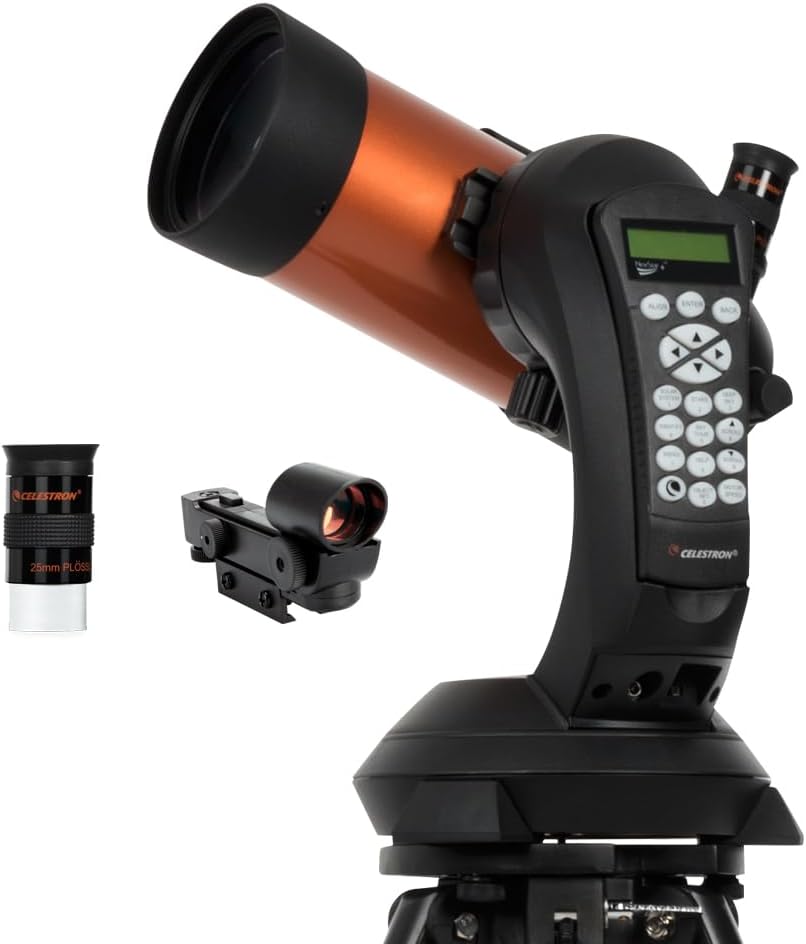
The NexStar 4SE is the most telescope you can get for under $600 when it comes to planetary viewing. The Maksutov-Cassegrain design produces razor-sharp images with high contrast, which is exactly what you want for Saturn's subtle ring detail. At 150x, the Cassini Division snaps into view on a steady night. The computerized GoTo mount takes the guesswork out of finding Saturn, which is especially helpful for beginners still learning the sky.
You can read our full Celestron NexStar 4SE review for more details.
Best Overall: Celestron NexStar 6SE
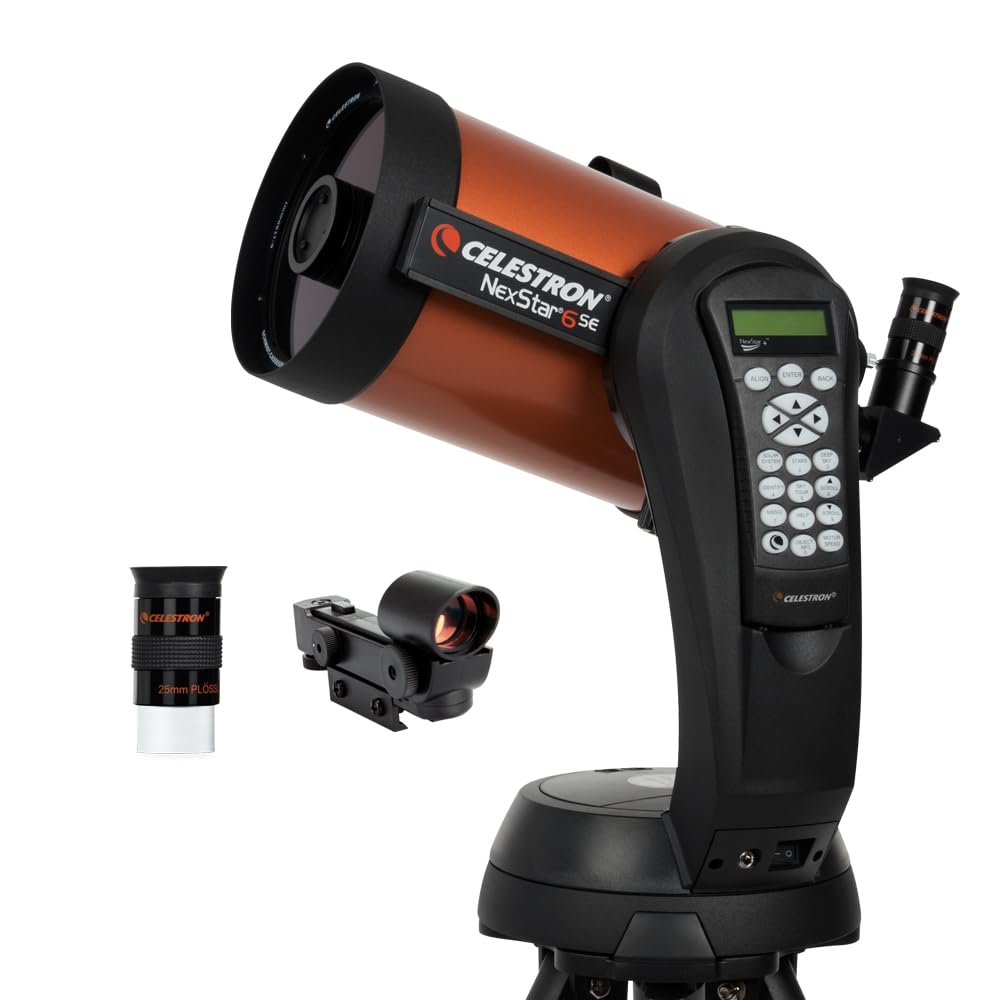
The NexStar 6SE is our most-recommended telescope across the entire site, and for good reason. The 6-inch aperture gathers 2.25 times more light than the 4SE, which translates directly into brighter images and finer detail. Saturn's cloud bands become clearly visible, the Cassini Division is a reliable feature (not just a "on the best nights" thing), and you can spot Titan, Rhea, and sometimes Tethys and Dione as tiny points of light near the planet.
The f/10 focal ratio and Schmidt-Cassegrain design keep the tube compact enough to carry in one hand. The SkyAlign technology means you can be observing Saturn within five minutes of setting up.
Check out our full NexStar 6SE review.
Best Premium: Celestron NexStar 8SE
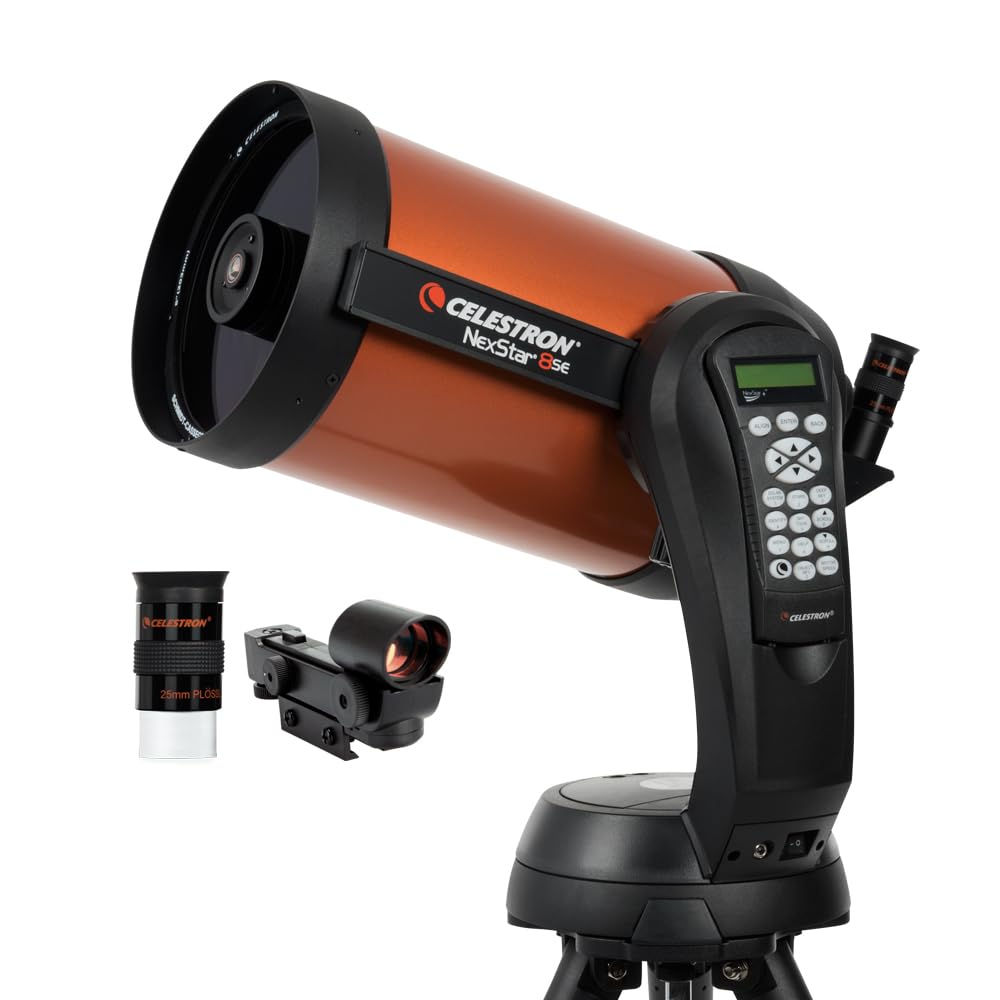
If budget allows, the 8SE is the Saturn machine. The jump from 6 to 8 inches might not sound like much, but it represents a 78% increase in light-gathering area. In practice, this means Saturn's Crepe Ring (C ring) becomes visible as a dusky veil against the planet's disk. Color differences between the bright B ring and the more translucent A ring become obvious. On the best nights at 250-300x, you can count five or six moons.
The 8SE uses Celestron's StarBright XLT coatings, which maximize light transmission. The 2032mm focal length gives you high magnification with standard eyepieces. It is heavier than the 6SE (about 35 lbs total), but still manageable for one person to set up.
Best Budget Dobsonian: Orion SkyQuest XT8 Classic
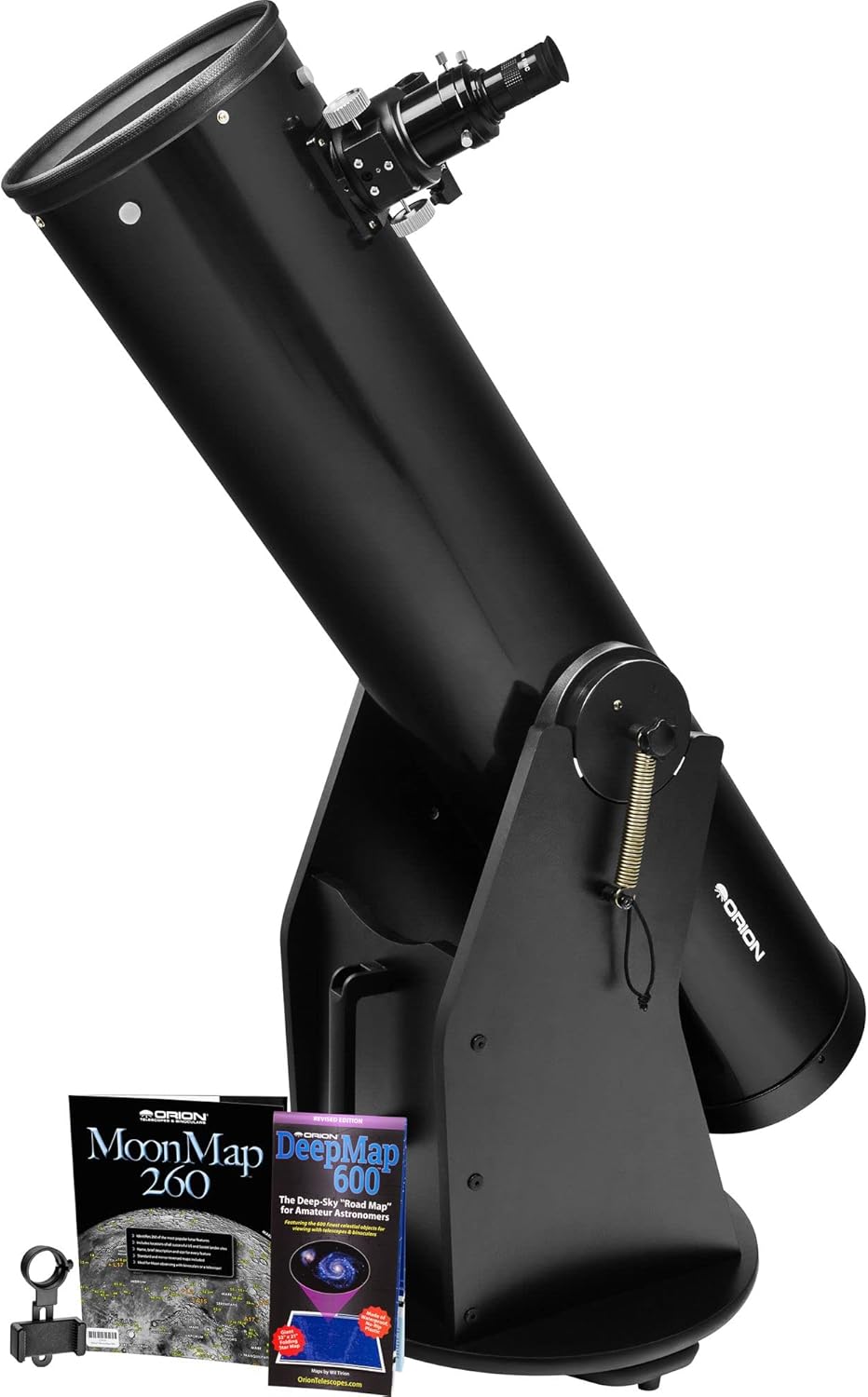
If you want the most telescope for your money and do not mind finding Saturn manually, a Dobsonian reflector is hard to beat. The XT8 gives you the same 8-inch aperture as the NexStar 8SE at roughly a third of the price. The trade-off: no computerized GoTo mount. You point it yourself using a star chart or phone app.
For Saturn specifically, this is not a big deal. Saturn is usually one of the brightest objects in the sky during its observing season, and a red dot finder (included) is all you need to locate it. Once centered, the smooth Dobsonian mount makes it easy to track manually.
Read our Orion SkyQuest XT8 review.
Best Compact: Sky-Watcher Virtuoso GTi 150P
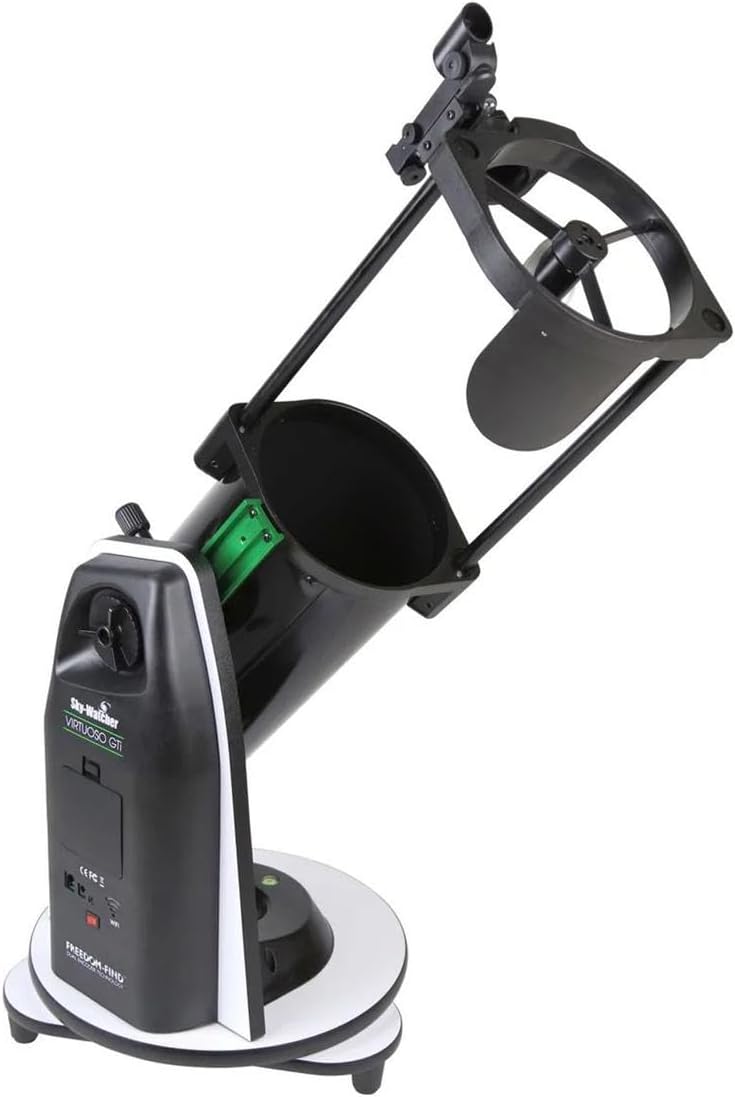
The Virtuoso GTi 150P is a clever design: 6 inches of aperture in a motorized tabletop package that connects to your phone via WiFi. It tracks objects automatically once aligned, which is a huge advantage for high-magnification Saturn viewing where the planet drifts out of the eyepiece quickly.
At 150mm aperture, you get the same Saturn performance as the NexStar 6SE: clear Cassini Division, cloud bands, and several moons. The main advantage here is portability. It sits on a table or sturdy surface, weighs under 15 lbs, and stores in a small space. Great for apartment dwellers or anyone who wants to grab-and-go.
🔭 Want our top telescope picks for 2026?
Join 1,000+ astronomers getting weekly gear reviews, deals, and stargazing tips. Free.
What Magnification Do You Need to See Saturn?
Aperture determines how much detail your telescope can resolve. Magnification determines how large that detail appears. You need both, but aperture is the hard limit.
Here is a practical magnification guide for Saturn:
- 25-50x: Saturn is a tiny dot with bumps on the sides. You can confirm it is ringed, but that is about it.
- 50-100x: Rings are clearly separated from the disk. You can see Saturn's overall shape and color. Good starting point for any telescope.
- 100-150x: Ring detail starts to appear. Shadow of the planet on the rings. Titan visible as a nearby point of light. This is the sweet spot for 4-inch telescopes.
- 150-200x: Cassini Division visible (in 5-inch+ telescopes). Cloud bands begin to show. Multiple moons. Sweet spot for 6-inch scopes.
- 200-300x: Fine ring structure, color variations, atmospheric features. This requires 8-inch+ aperture and excellent seeing conditions.
The rule of thumb: your telescope's maximum useful magnification is roughly 50x per inch of aperture. A 4-inch scope tops out at about 200x. A 6-inch at 300x. An 8-inch at 400x. Going beyond this just magnifies blur, not detail.
To calculate your current magnification: divide the telescope's focal length by the eyepiece's focal length. A 1500mm telescope with a 10mm eyepiece gives you 150x.
Tools That Improve Your Saturn Views
Eyepieces
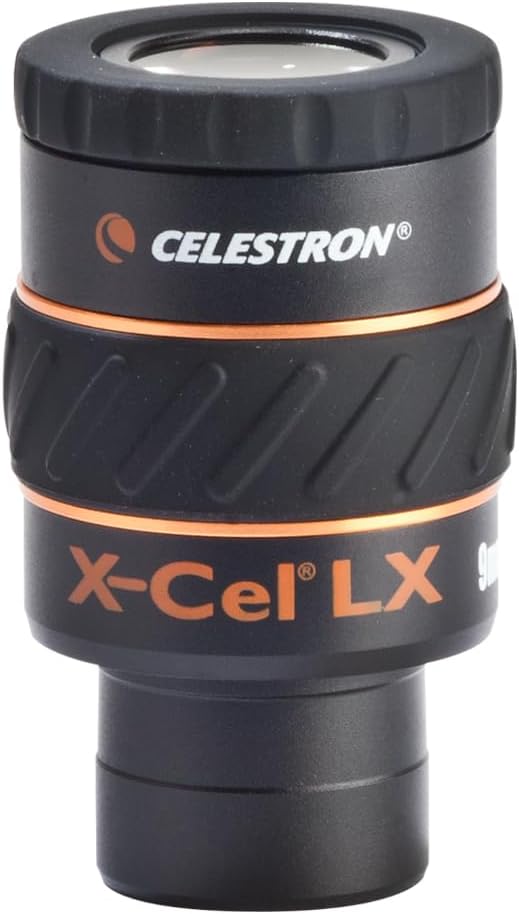
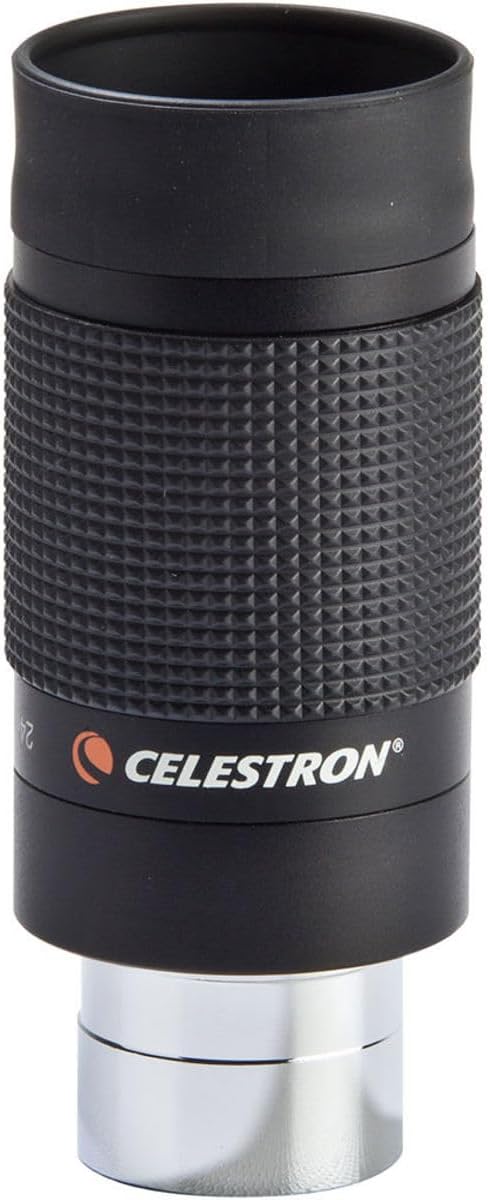
The eyepiece that comes with your telescope is usually a basic 25mm Plossl. It works, but upgrading to a high-quality planetary eyepiece makes a noticeable difference in sharpness and contrast.
For Saturn, you want a short focal length eyepiece (6-10mm) that pushes your magnification into the 150-250x range. Wide apparent field of view (60-82 degrees) makes it much easier to keep Saturn centered as it drifts.
Barlow Lenses
A 2x Barlow lens doubles your magnification with any eyepiece. This is a cost-effective way to get high-power views without buying multiple short focal length eyepieces. A quality Barlow adds minimal optical degradation.
For example, a 25mm eyepiece with a 2x Barlow behaves like a 12.5mm eyepiece. Your stock eyepiece suddenly becomes a planetary weapon.
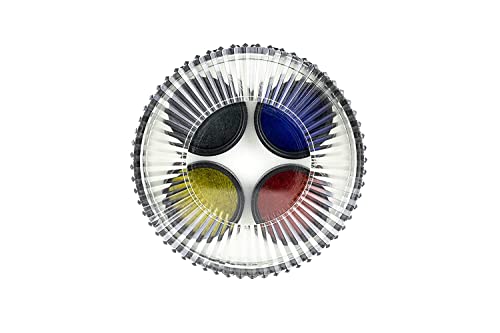
Planetary Filters
Color filters can enhance specific features on Saturn. A #12 yellow filter improves contrast on the cloud bands and helps the Cassini Division stand out. A #80A light blue filter can darken the planet's disk slightly and make the rings pop.
These are not essential, but they can make a real difference on nights when the atmosphere is cooperating.
Bonus Gear for Saturn Observation
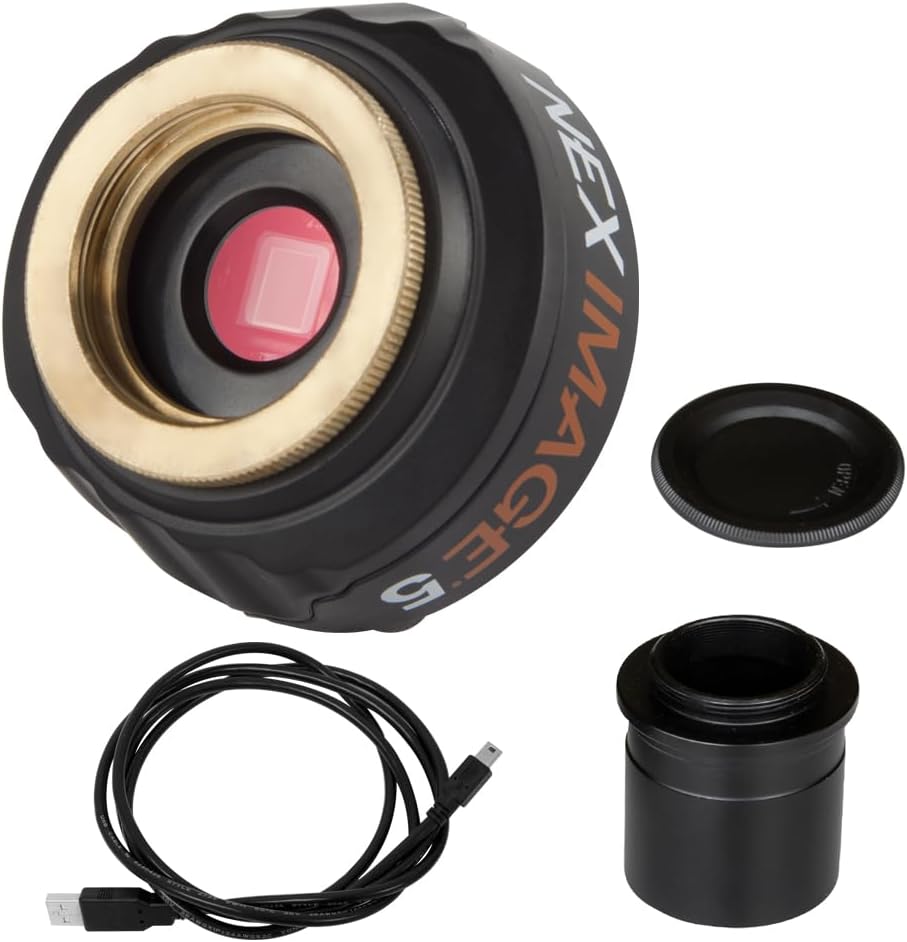
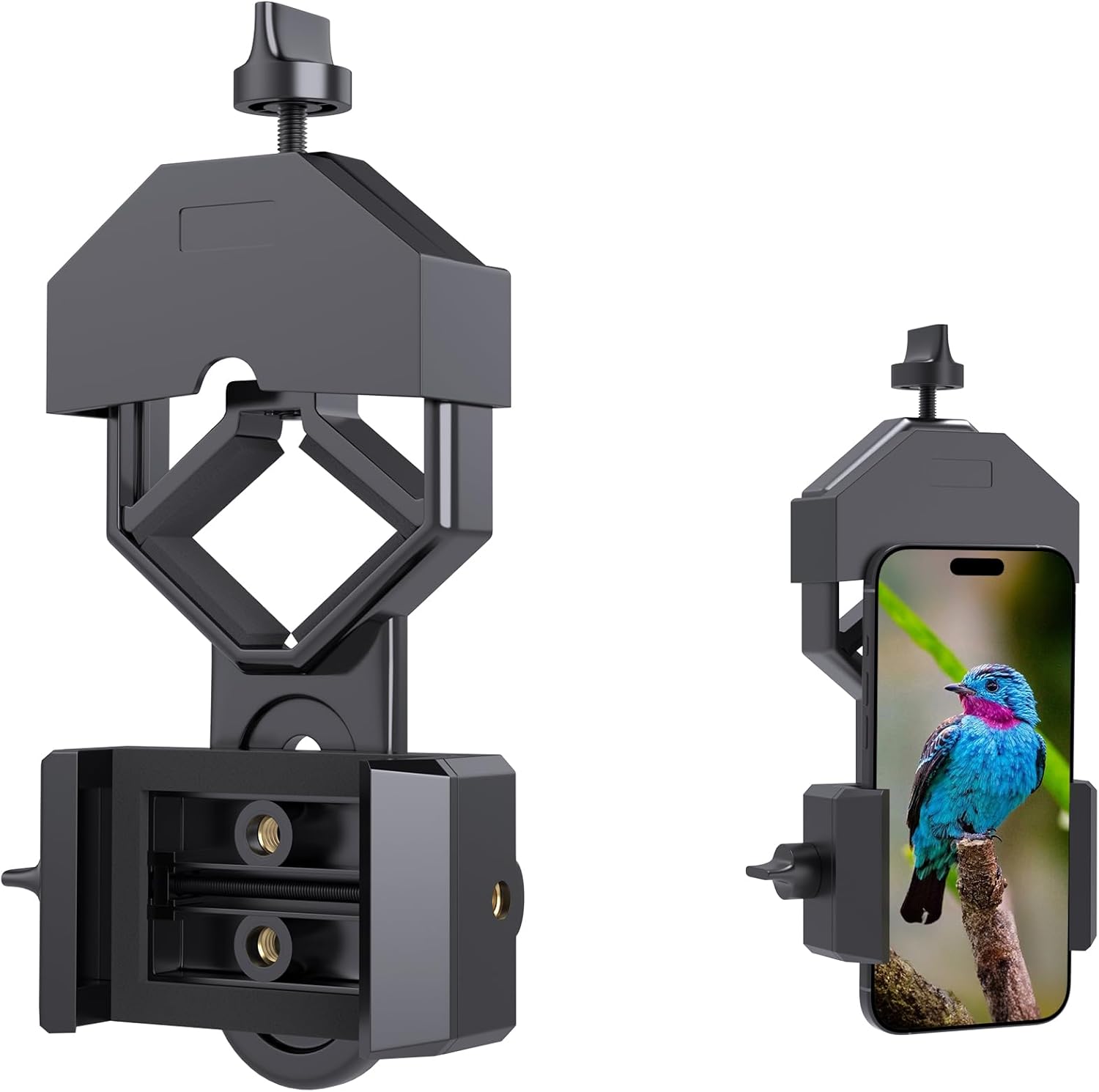
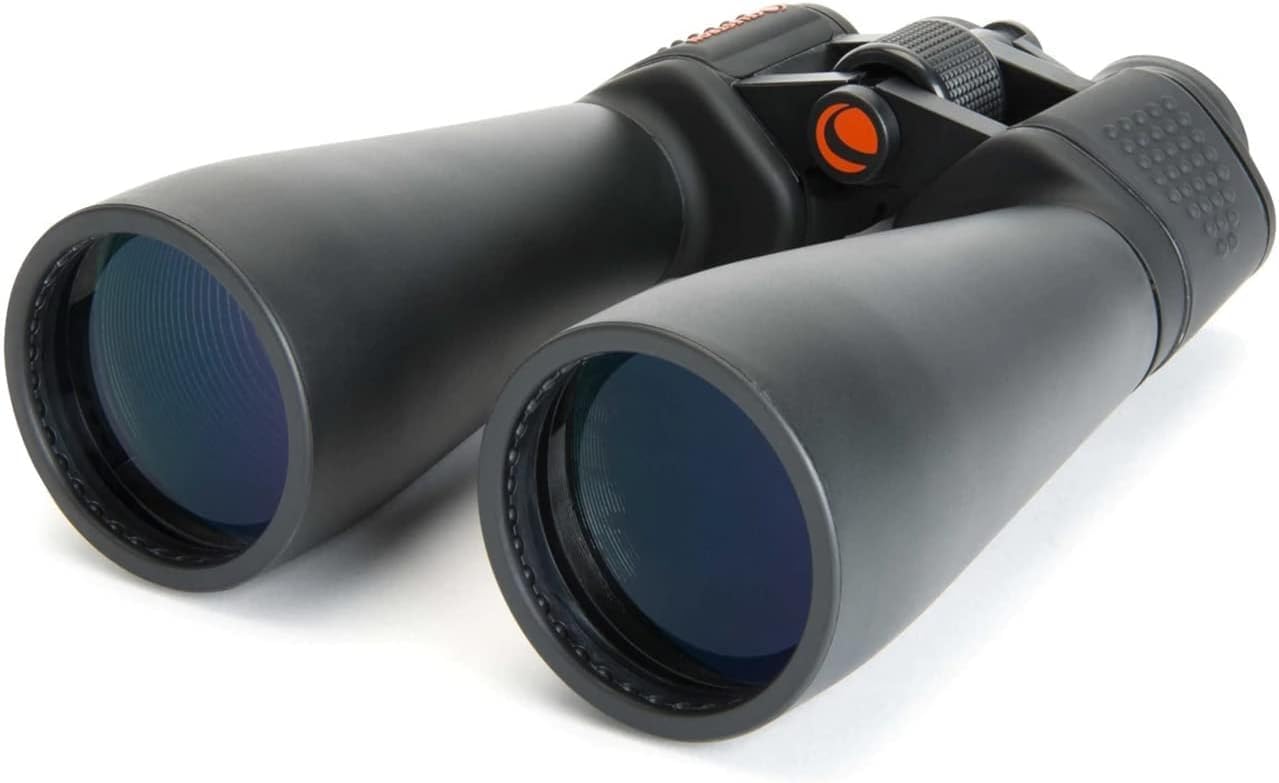
Beyond the telescope itself, a few accessories can significantly improve your Saturn observing sessions.
Tips for Getting the Best Saturn Views
- Let your telescope cool down. Take it outside 30-45 minutes before you plan to observe. A warm telescope distorts images as heat rises from the optics and tube.
- Observe when Saturn is high in the sky. The higher above the horizon, the less atmosphere you look through, and the steadier and sharper the image.
- Wait for good seeing. "Seeing" refers to atmospheric steadiness. If stars are twinkling wildly, Saturn will look like it is underwater. Wait for nights when stars appear steady, or check seeing forecasts on sites like ClearDarkSky or Meteoblue.
- Start at low magnification, then increase. Find Saturn at 50-75x first, center it, then swap to higher-power eyepieces gradually. This lets you assess how much magnification the atmosphere will support.
- Use averted vision for faint features. Looking slightly to the side of Saturn (rather than directly at it) engages more sensitive parts of your retina and can reveal subtle features like the Crepe Ring.
- Observe near opposition. Saturn is closest to Earth and brightest during opposition, which occurs once per year. The rings also appear brightest because sunlight reflects directly back toward Earth.
- Collimate your reflector. If you use a Newtonian or Dobsonian telescope, proper collimation (mirror alignment) is essential for sharp planetary views. Even slight misalignment degrades contrast at high magnification.
Frequently Asked Questions
Can I see Saturn with a 70mm telescope?
Yes. A 70mm telescope at 50-100x magnification will show Saturn as a small golden disk with visible ring extensions. You won't see the Cassini Division or cloud bands, but you can clearly identify it as a ringed planet. The Gskyer 70mm AZ and Celestron AstroMaster 70AZ are both capable of this.
What magnification do I need to see Saturn's rings?
25x is the absolute minimum to see the rings as a slight elongation. 50-75x shows them clearly separated from the disk. 150x+ reveals the Cassini Division (with enough aperture). For the best ring detail, aim for 150-250x with a 6-inch or larger telescope on a night of steady seeing.
What is the best telescope type for viewing Saturn?
Schmidt-Cassegrain and Maksutov-Cassegrain telescopes excel at planetary viewing because their long focal lengths deliver high magnification in a compact tube. Dobsonian reflectors give you the most aperture per dollar. Any of these designs with 4+ inches of aperture will show Saturn beautifully.
When is the best time to observe Saturn?
During opposition, when Saturn is closest to Earth and visible all night. This happens once per year, typically shifting forward by about two weeks annually. Saturn is also best when it is highest in the sky (closest to the meridian), which minimizes atmospheric distortion. Use an astronomy app like Stellarium or SkySafari to check Saturn's current position.
Why does Saturn look blurry in my telescope?
The most common causes: atmospheric turbulence (poor seeing), telescope not cooled down to ambient temperature, dirty or misaligned optics, too much magnification for your aperture, or observing when Saturn is low on the horizon. Let your telescope sit outside for 30-45 minutes, avoid nights with strong winds or heat shimmer, and reduce magnification until the image sharpens.
Takeaway
Saturn is one of the most rewarding targets in amateur astronomy. Even a small 70mm telescope can show you the rings and spark that first moment of wonder. But if you want to see the Cassini Division, cloud bands, and moons, aim for at least a 4-inch aperture, and 6 inches or more for the full experience.
The telescopes recommended in this guide are all proven performers that we have tested and reviewed. Whether you spend $500 on a Dobsonian or $1,600 on a computerized SCT, you will see things on Saturn that photographs simply cannot capture: the quiet, three-dimensional reality of a ringed world floating in your eyepiece.