Find the telescope or upgrade that fits your actual night.
Answer one practical question at a time. Telescope Match weighs your budget, sky, storage, setup tolerance, current gear, and compatibility constraints—then gives you a recommendation, runner-up, trade-off, and first useful next step.
Download the free course sampler (PDF)
No email signup required. Preview pages from our three astronomy courses.
Choose for your observing plans
Compare telescope picks and current offers.
Start with the size, mount and setup you can comfortably use. These nine picks cover beginner observing, computerized finding and a useful eyepiece upgrade. Each card distinguishes current retailer evidence from a general product recommendation.
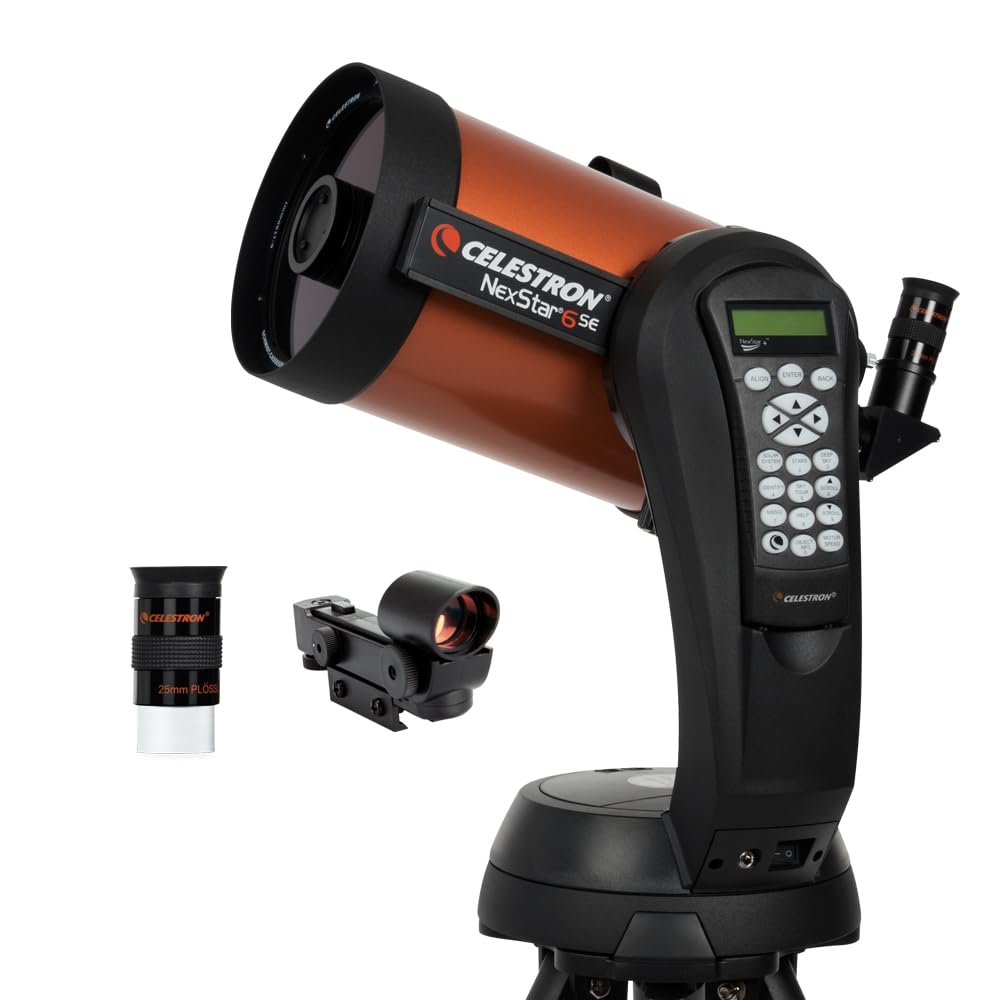
Celestron NexStar 6SE
Six-inch optics in a compact GoTo setup. Allow for power and alignment; it is a practical step up when portability matters. High Point showed it new and in stock on September 17.
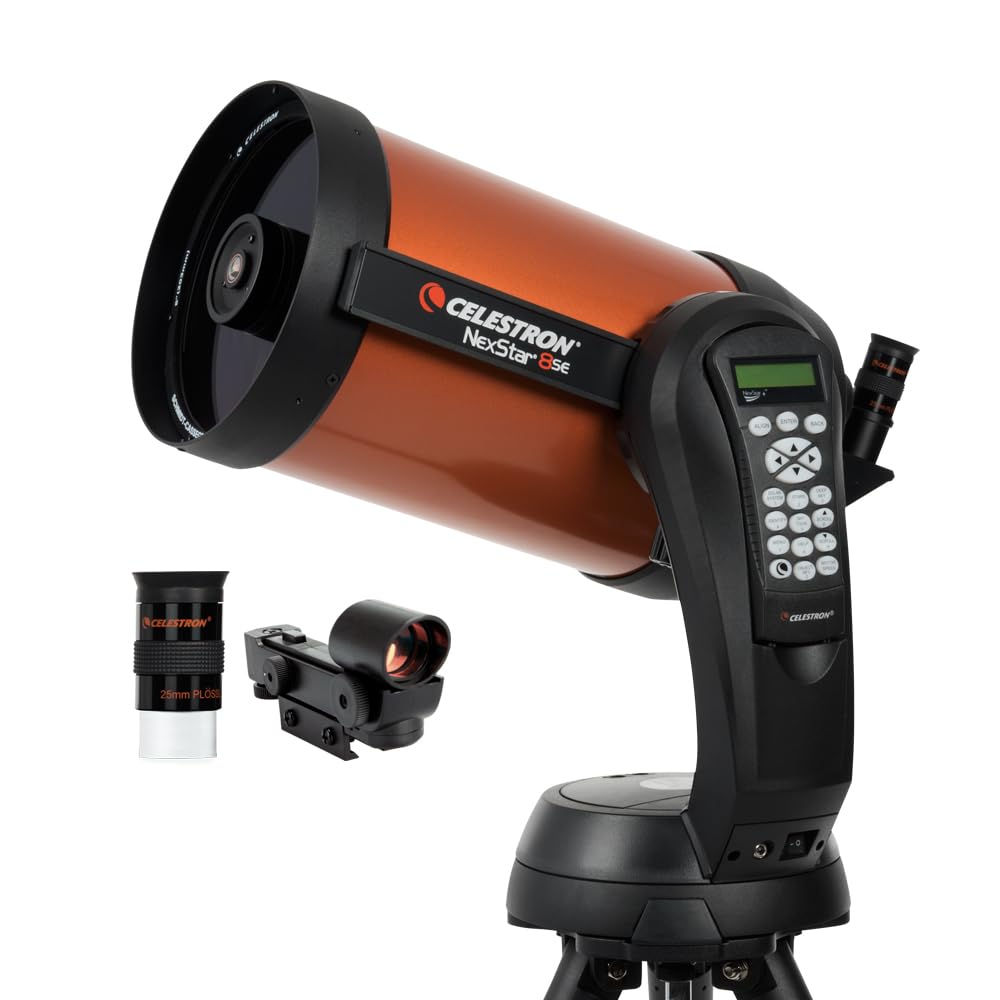
Celestron NexStar 8SE
More aperture than the 6SE for visual observing, with GoTo tracking. Plan for power, alignment and carrying the larger tube. High Point showed it new and in stock on September 17.
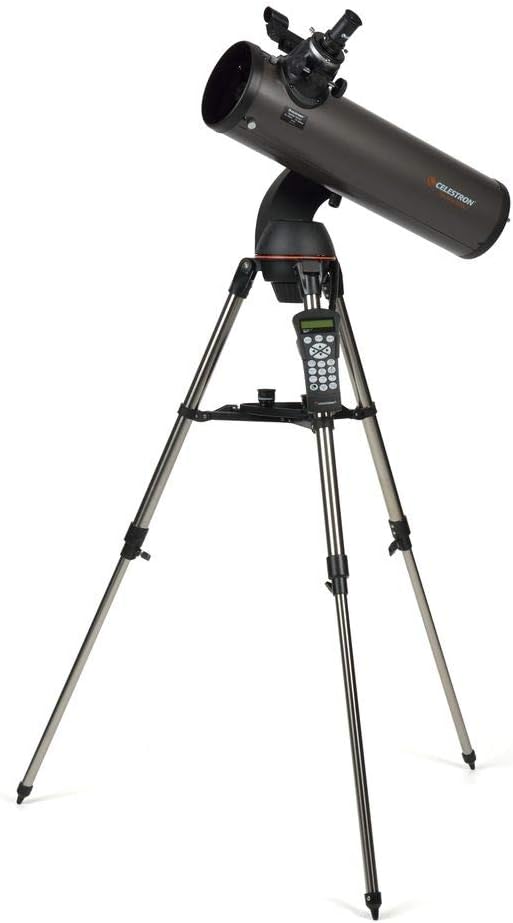
Celestron NexStar 130SLT
A 130mm reflector with motorized GoTo finding. It needs power, alignment and occasional collimation. High Point showed it in stock; Amazon did not show a featured offer at our check.
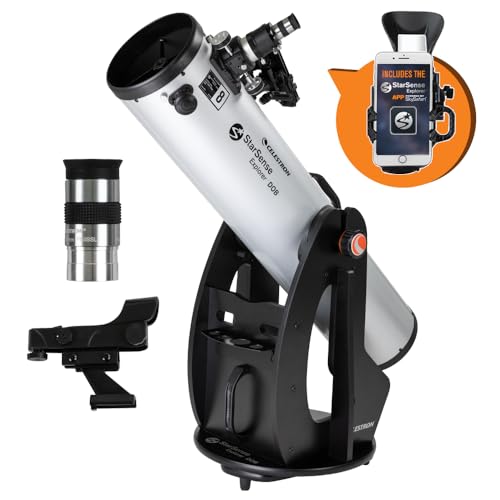
Celestron StarSense Explorer 8-inch Dobsonian
Eight-inch optics with phone-assisted push-to finding: you move the telescope yourself. An Amazon US offer was available at our September 17 check. Compare the current seller, condition and delivery.
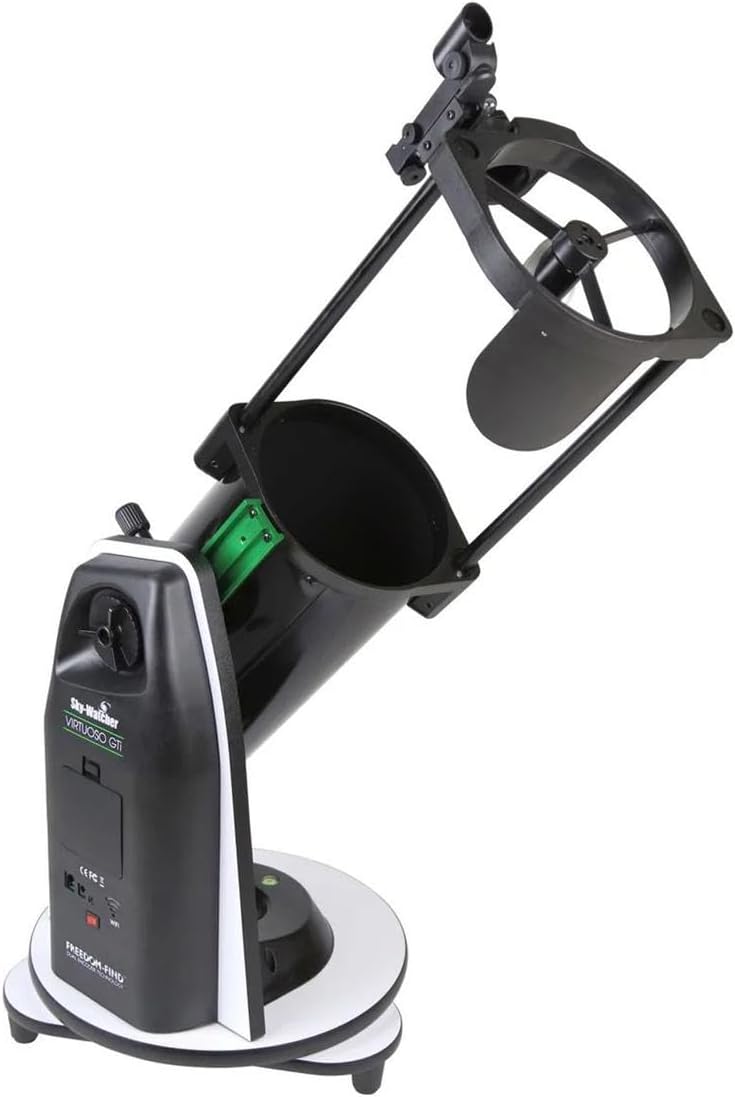
Sky-Watcher Virtuoso GTi 150P
Six-inch optics on a tabletop GoTo base. Budget for a rigid support and power. Amazon showed an offer; High Point listed it new and in stock at $545 on September 17.
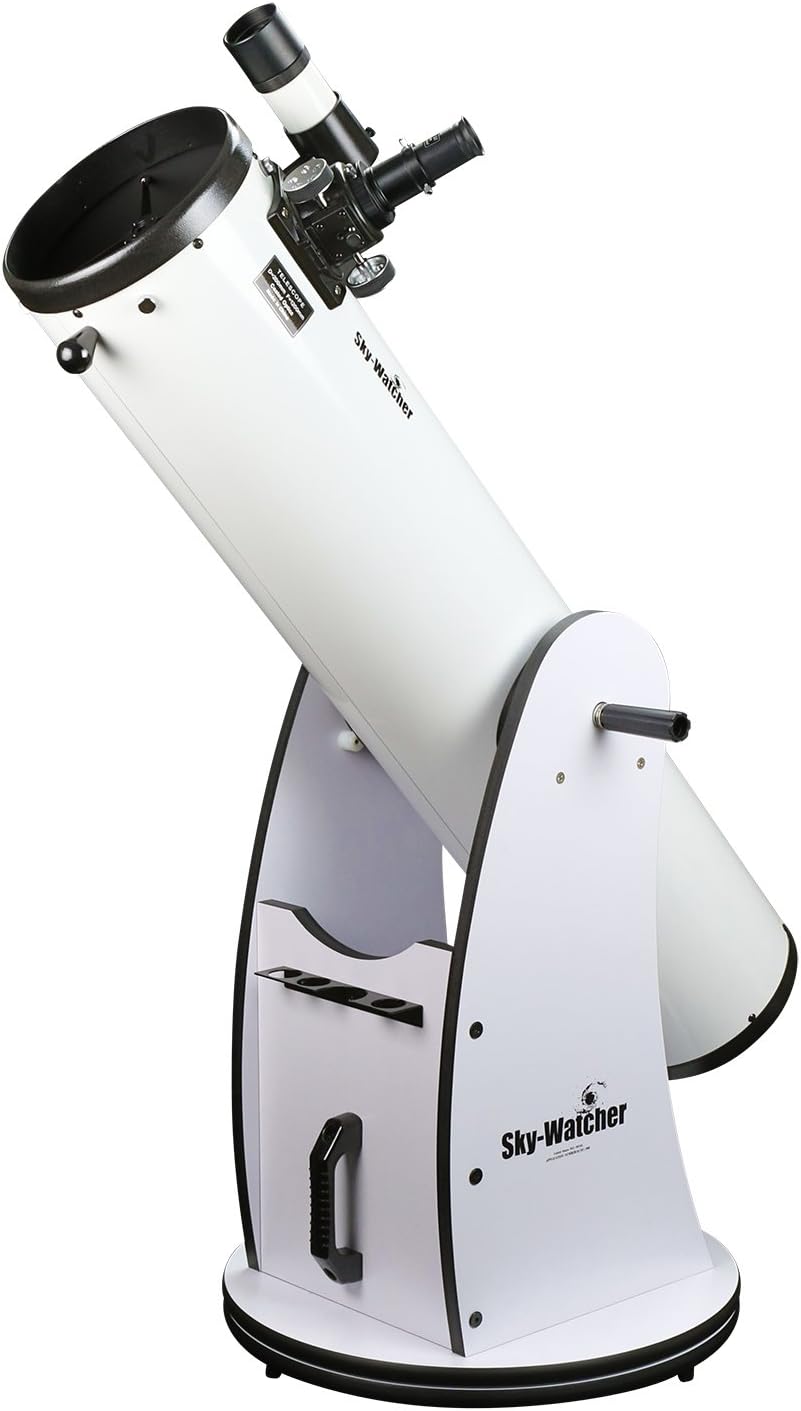
Sky-Watcher Classic 200 Dobsonian
A manual eight-inch Dobsonian for visual observing. High Point was backordered on September 17; its price is not a promise of immediate dispatch. Ask for a delivery estimate before ordering.
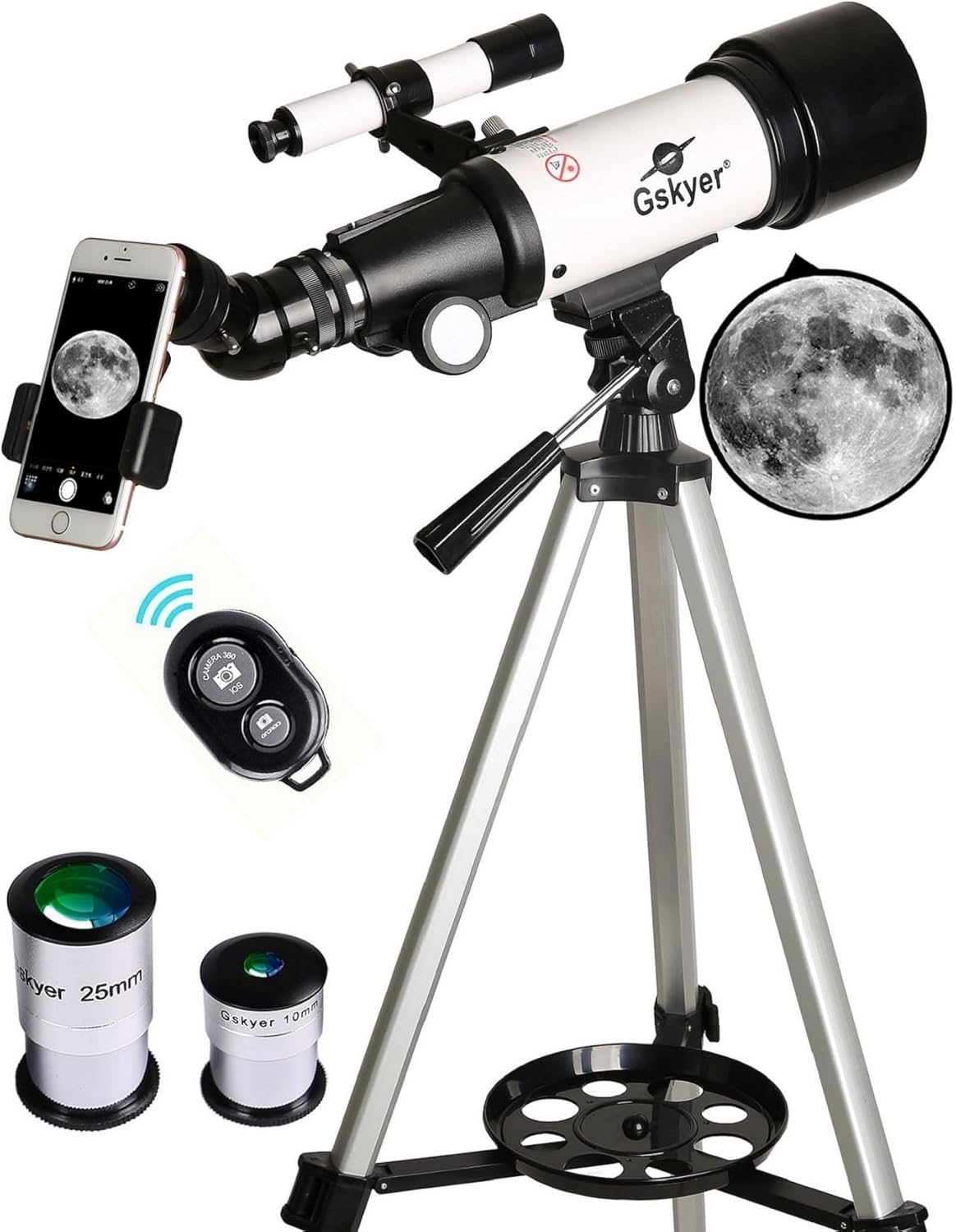
Gskyer 70mm AZ Refractor
A lightweight 70mm refractor for the Moon and casual observing. The kit includes a phone adapter and remote. An Amazon US offer was available at our September 17 check; verify the current package.
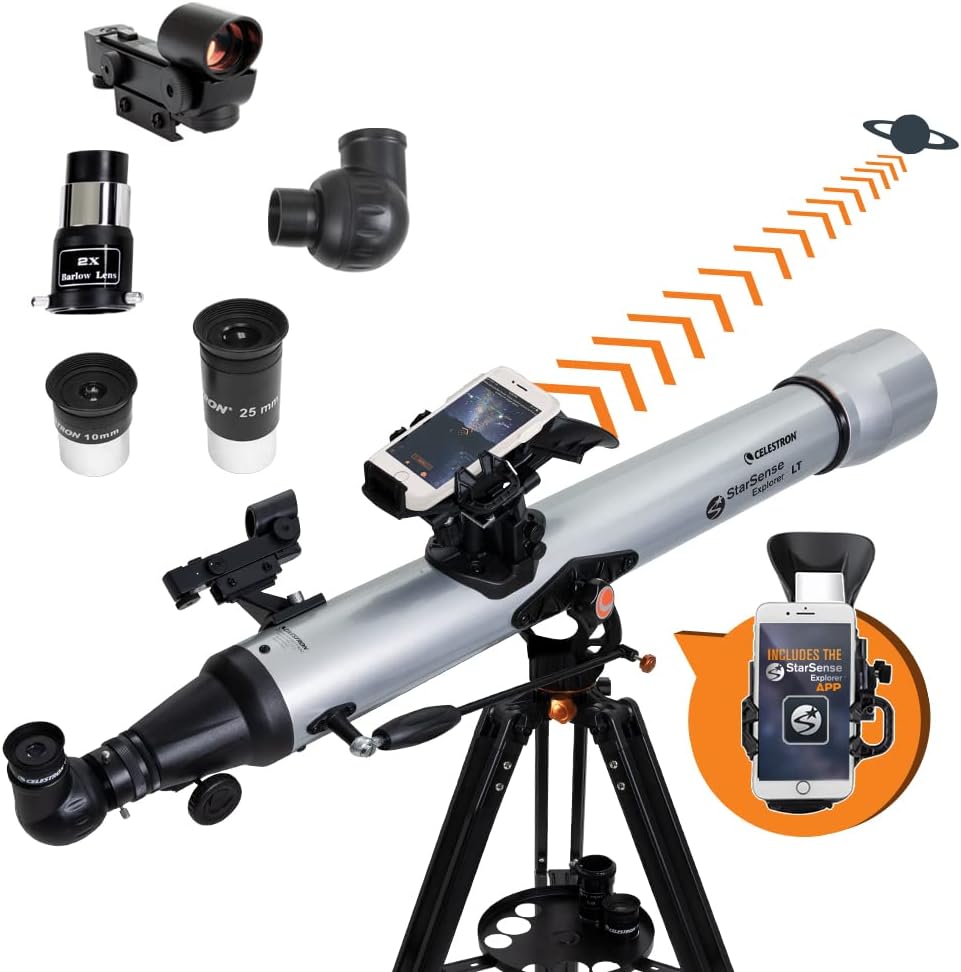
Celestron StarSense Explorer LT 80AZ
An 80mm refractor with phone-assisted aiming. You move it manually; there is no motorized tracking. Amazon showed a new offer; High Point listed it in stock at $229 on September 17.
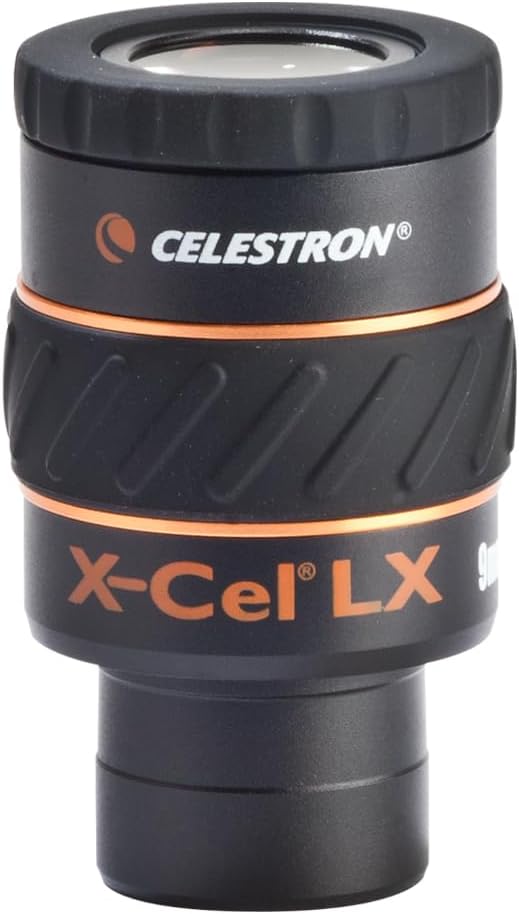
Celestron X-Cel LX 9mm
A 1.25-inch eyepiece for higher magnification. Divide your telescope focal length by 9 to check the resulting power before buying. Amazon showed an offer; High Point listed it at $109.95 on September 17.
As an Amazon Associate, TelescopeGuides earns from qualifying purchases, and we earn a commission on qualifying sales through High Point Scientific and Astroshop. It costs you nothing extra, and it is why we can afford to tell you when a product is not worth buying. Stock notes and prices reflect our most recent manual check and can change at any time.
Everything we sell, in one place
Free guides get you most of the way. These finish the job.
Everything you can get from us today, with the price on every one of them. Pick the one that sounds like your situation.
Free astronomy course sampler
Preview telescope setup, beginner astrophotography and urban stargazing in a free PDF sampler.
For you if you want to keep improving without reading a whole site.
Get the free sampler from the download links on this page. No email required.
Telescope Deal Check
Send us one to three specific telescopes or deals you are looking at. You get back a plain buy, pass, or better-alternative verdict before you spend the money.
For you if you have already shortlisted and just want someone to sanity-check it.
Opens the Deal Check page, where you pay and send your links.
Personal Telescope Recommendation
Your main pick, a runner-up, what not to buy, and the accessories that actually matter, matched to your budget, sky, and goals. Also works for upgrades: send your current scope and get an eyepiece shortlist. Two follow-up questions included.
For you if you are starting from zero, or upgrading and stuck.
Opens the recommendation page, where you pay and fill in your situation.
Stargazing Secrets
Master the night sky from your own backyard: telescopes, star maps, planets, and deep-sky objects. 82 pages across 6 modules.
For you if you own a scope and still do not know where to point it.
Opens the course page with checkout and the full module list.
City Skies, Cosmic Sights
Beat light pollution, find planets and constellations from a city, and build an observing routine that survives a bright sky. 150+ pages across 5 modules.
For you if your sky is orange and you have been told to give up.
Opens the course page with checkout and the full module list.
Astrophotography Made Easy
Capture the night sky with a smartphone, DSLR, camera lens, or telescope, including the full workflow and post-processing. 200+ pages across 8 modules.
For you if you can see it in the eyepiece but cannot photograph it.
Opens the course page with checkout and the full module list.
Best value
Or take all three courses for $47.
19 modules and 480+ pages, from your first night outside to processed deep-sky images. Here is the arithmetic:
Where our links go
Three retailers, and we say which one has it.
We do not point everything at one store. We distinguish retailer stock, current offers and backorders so you can compare the exact model before buying.
Amazon US
Where most of our picks are buyable, and the fastest route for beginner scopes, eyepieces, and accessories. Every Amazon link on this site carries our associate tag.
See the Amazon picks →High Point Scientific
A specialist retailer with verified offers for the NexStar range, Apertura Dobsonians and selected accessories.
See the High Point picks →Astroshop
Used for European availability and for models that are hard to source in the US. Smaller share of our links, listed here so you know where a button can take you.
Browse the gear hub →First telescope rules
The best telescope is the one that is stable, simple, and matched to your sky.
Most beginners should think about aperture, mount stability, field of view, focal length, weight, and storage before magnification. Larger aperture gathers more light and shows more detail, but a big telescope you never carry outside loses to a small telescope you use every clear night.
Rule of thumb: for visual astronomy, spend on stable support and light gathering before electronics. For deep sky astrophotography, the mount matters even more than the optical tube.
Gear without the overwhelm
Shop by observing goal, not by confusing spec sheets.
Our gear hub separates visual observing, computerized mounts, astrophotography, eyepieces, binoculars, and accessories so you compare the right products in the right context. A high quality telescope for one person is the wrong telescope for another if the mount, weight, power supply, focal length, or light path does not fit the job.
Free guides
Pick the guide that matches tonight's problem.
Instead of a flat blog archive, use these entry points: first telescope, first night outside, first eyepiece upgrade, first clear photo, or first urban observing session.
Choose a beginner telescope
Compare refractor, reflector, Dobsonian, computerized, and smart telescope options without getting trapped by high magnification claims or cheap telescopes with weak mounts.
Read the buying guide → First nightLearn what to look for
Use the Moon, planets, bright stars, star clusters, and easy deep sky objects to build confidence before chasing fainter objects or distant galaxies.
Start stargazing → SetupUse your new telescope correctly
Set up the optical tube, finder, telescope eyepiece, mount, focus, and alignment so Saturn's rings, the Orion Nebula, and other celestial objects appear sharper.
Follow the setup guide → AstrophotographyCapture the night sky
Move from a camera lens or smartphone to telescope imaging, tracking, equatorial mounts, focusing, stacking, and deep sky astrophotography workflows.
Learn astrophotography → ExpectationsSee what you will actually see
Set realistic expectations for the Moon and planets, deep sky objects, faint galaxies, planetary detail, and what a city sky changes about all of it.
View observing guides → UpgradesFix the scope you already own
Understand telescope eyepiece sizes, useful magnification, filters, finders, covers, cases, and which first upgrade is worth the money.
Improve your setup →359 astronomy guides in one searchable library
Telescope reviews, observing targets, astronomy facts, apps, gear, safety, DIY projects, and astrophotography tutorials.
Browse all guides → Dark skiesPlan a night somewhere genuinely dark
Dark sky site planning, best stargazing spots, astro-tourism ideas, and the checklist for a trip that does not end in a cold car park.
Plan a session →Quick answers
Beginner telescope questions we answer every week.
What is the best telescope guide for beginners?
Start with a guide that explains aperture, mount stability, eyepieces, what you can see, and what to avoid when buying. If you are brand new, begin with the stargazing checklist, then move to the telescope buying guide.
How do I know which telescope to buy?
Choose by observing goal first. Dobsonian telescopes are strong for visual astronomy, refractors are simple and portable, computerized telescopes help find objects, and smart telescopes trade manual learning for easy electronic views.
Can I stargaze from a city?
Yes. Light pollution makes faint objects harder, but the Moon, planets, bright stars, star clusters, double stars, and many solar system objects are still rewarding through a small telescope or binoculars.
Do I need a telescope for astrophotography?
No. A smartphone or camera lens can capture the Moon, constellations, and bright sky scenes. Telescope-based deep sky astrophotography needs tracking, focusing, power, and processing practice.
Explore our free course sampler and browse the latest guides on TelescopeGuides.
Preview pages from all three astronomy courses, then explore the full guides whenever you need them.
Download the free course sampler (PDF)
No email signup required. Preview pages from our three astronomy courses.