- Eyepiece caps protect your lens coatings from dust, moisture, and scratches during storage and transport.
- The easiest DIY cap is a 35mm film canister or a PVC end cap sized to slip over your eyepiece barrel.
- For a snug fit, line the inside with adhesive-backed felt or foam tape to prevent rattling and scratching.
- Always cap both ends: the eye lens and the barrel end to keep dust out of the entire optical path.
Ever lost an eyepiece cap and thought, “I wish I could just make one myself”? Well, you’re in luck! I’m here to guide you through the process of creating your own DIY eyepiece caps. It’s not only a fun and engaging project, but it’s also a practical solution to a common problem many of us face.
Before we dive in, I’ll let you in on a secret: it’s easier than you think. With just a few household items and a bit of creativity, you’ll have a custom-made eyepiece cap in no time. So, roll up your sleeves and let’s get started on this exciting DIY journey.
Whether you’re a seasoned DIY enthusiast or a beginner, this guide is designed to be easy to follow. So, don’t worry if you’re not a crafting expert. I’m confident that by the end, you’ll be proudly showing off your homemade eyepiece cap.
Materials needed
Moving on to the next phase of our DIY eyepiece cap project, it’s critical to gather all the necessary materials. Make sure you have everything lined up before starting to ensure a smooth, hassle-free process.
Here are the materials you’ll require:
- Plastic bottle caps: Depending on the eyepiece size, use caps from water bottles, soda bottles, or juice bottles. These will serve as the base of your DIY eyepiece cap.
- Foam padding: This will provide soft cushioning for the eyepiece.
- Rubber bands: For securing the cap on the eyepiece.
- Adhesive: Super glue or a hot glue gun will work well.
Remember that the bottle cap should have a slightly larger diameter than the eyepiece to fit securely. Measure your telescope’s eyepiece ahead of time to avoid any issues. I always find it useful to cross-check measurements to ensure the right fit.
Ensure you’ve good lighting and a clean workspace as well. A clutter-free area is not only good for concentration but also makes it easy to locate your materials. Having easy access to your materials can speed up the process significantly.
While some of these materials might already be lying around your house, others may need to be purchased. Don’t feel limited to the materials mentioned above. Part of the fun in DIY projects is thinking outside the box and using what you have in unforeseen ways. Who knows? You might discover some creative solutions that can add a personal touch to your eyepiece cap.
Step 1: Measuring your eyepiece
Before we get our hands dirty with the actual crafting process, it’s critical to measure the eyepiece of the telescope. Accurate measurements will ensure a snug fit for the DIY cap. So, let’s dive right into this important step.
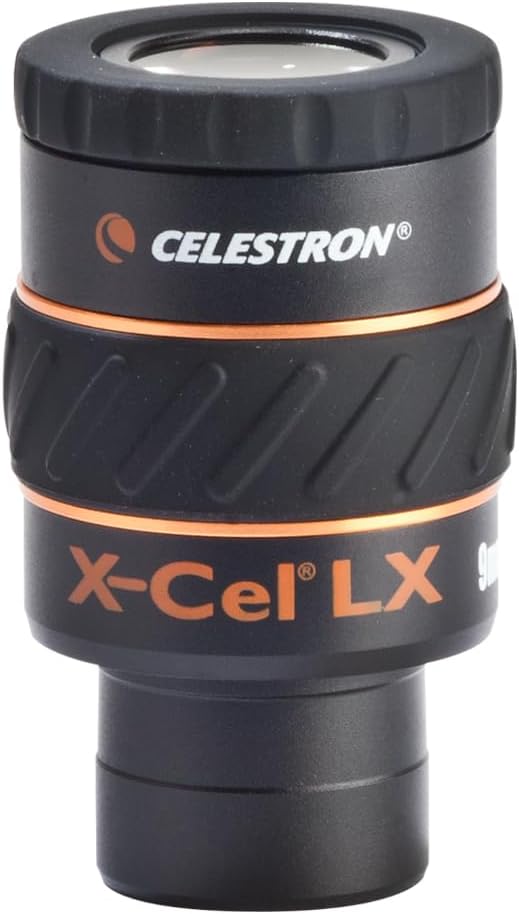
Grab a ruler or a measuring tape, whichever is at your disposal. Now, measure the diameter of the eyepiece. Here’s a tip: measure from the inside edge to the opposite inside edge for an accurate read. Do not fret if you’re fractionally out of line; DIY is always about experimenting and learning from mistakes. A minor deviation won’t significantly impact the final result.
For our next measuring task, we’re going to measure the depth of the eyepiece. Hold the ruler or the measuring tape straight and observe the eyepiece from the side. Measure the distance from the topmost part to the bottom edge of the eyepiece. This is usually a bit trickier but take your time to get it right.
| Eyepiece Measurement | Approximate Value |
|---|---|
| Diameter | 1.5 – 2 inches |
| Depth | 1 – 1.5 inches |
Don’t worry if your measurements vary from the standards. Telescope eyepieces can often have different sizes. These numbers are provided to give you a general idea about the typical dimensions.
After completing the measurements, make note of these in a secure place for the future. While we move forward, keep the mantra “Measure twice, Cut once” in mind. It’s repeated often for a reason. Precision is a valuable skill in DIY and saves us from unnecessary complications down the line.
Step 2: Choosing a material
Now that you’ve got the measurements dolled out, it’s time to choose the right material for your DIY eyepiece cap. This choice is paramount as it not only determines the durability of the cap, but also affects the level of protection it will provide to the eyepiece.
First, let me tell you one thing loud and clear: the material should be robust, easy to handle and cut, and have a certain resistance to environmental conditions. That’s a fact, and you should keep this in mind while picking the material.
So, what’s the best material for the job? Well, I personally recommend rubber or dense foam. Why? It’s simple. These materials are soft, lightweight, and have a high degree of flexibility. This makes them perfect for making sturdy and durable eyepiece caps that can absorb shocks and protect against dust. Most importantly, they offer a snug fit without scratching or damaging the eyepiece, while maintaining an easy on and off experience.
Other options could include plastics or firm textiles, but they may require additional tools to cut and may not provide the same level of flexibility. So, if you’re a beginner, sticking with rubber or dense foam might be an easier option for you.
Remember, the material you choose will greatly affect the durability and protection capabilities of your DIY eyepiece cap. So take this into consideration and make sure to choose wisely!
Step 3: Cutting the material
Now that we’ve measured the eyepiece and selected our material, let’s move on to the next part of our DIY project: cutting the material. When it comes to cutting the material for your eyepiece cap, precision is paramount. That’s why I’ve broken down this process into a few simple steps.
Firstly, mark the area of your material to be cut using the measurements obtained earlier. For accurate marking, use a permanent marker or pencil. Take a moment to ensure that your markings mirror the size and shape of your eyepiece.
Secondly, get a pair of sharp scissors or a cutting tool appropriate for your material. It’s vital to remember the importance of sharp, well-maintained cutting tools. Dull tools can lead to rough edges or inaccurate cuts. If you’re cutting rubber or foam, a pair of sharp scissors should suffice. If your material is denser, like plastic, you might require a sturdy box cutter or precision knife.
A quick tip for cutting: Always cut a little outside of your marked area. This extra margin will allow for any minor inaccuracies and ensure a snug fit on the eyepiece. It’s easier to trim excess material afterwards rather than trying to fix an eyepiece cap that’s too small.
Thirdly, with steady and careful movements, begin to cut the material according to your marks. Regularly check the fit of your partially cut cap on your telescope eyepiece throughout the cutting process. Frequent checks can help navigate and correct any cutting errors before they become problematic.
Keep in mind; it’s normal for your first few DIY caps to not be perfect. The key is consistent practice and learning from your experiences. That’s what DIY is all about. It’s not about achieving perfection on the first try, but enjoying the process of creating and refining your skills.
Step 4: Shaping the cap
Beginning the next step, shaping the cap is as important as getting a precise measurement and choosing the right material. This step ensures that your DIY cap fits snugly and secures the eyepiece efficiently.
While the diameter and depth measurements aid in getting the basic circle shape, it’s your creativity and precision that mold it to the precise fit. After cutting the base piece, it’s time to start shaping the material. Whether you’re using rubber or dense foam, you’ll need to carefully shape it to match your eyepiece’s curves and contours.
Start by checking the initial fit. This serves as your guide where to adjust the shape and how to eliminate any redundancy. Remember, it’s an iterative process. Measure, adjust and fit - repeat this process until you get a snug fit.
If you find it a bit challenging, try to envision it this way: if it’s too large, it’ll easily slip off, and if it’s too small, you’ll struggle getting it on. The key is to get a snug but comfortable fit– something that’s so perfect that it’ll pop right onto your eyepiece without any resistance.
You might ask - why so precise? It’s simple yet critical. A loosely fit cap can unknowingly slip off leaving your eyepiece unprotected. On the other hand, one that’s too tight might damage your eyepiece while trying to put it on.
Once you’re satisfied with the fit, carve or trim any excess material. Don’t rush this part - it’s like pottery where every tiny alteration counts. Hence, take your time to carve out that perfectly shaped DIY eyepiece cap.
You’re likely to come across challenges during this process, and that’s okay. Don’t be too hard on yourself. Crafting takes time, practice, and above all, patience. Every misstep is a step towards learning, improving, and mastering. Whether it’s your first, third, or tenth attempt, remember that every DIY eyepiece cap you make is one step closer to the perfect one. Let’s move on to the final assembling of the cap. But first, ensure everything is in place and nothing hampers your crafted piece’s fit and usability.
Stay tuned – we have more to share in upcoming steps.
Step 5: Adding a securing mechanism
With the eyepiece cap shaped to perfection, let’s move onto the next task: adding a securing mechanism. Why? Simply put, a well-fitted eyepiece cap will have little value without a secure hold. You don’t want your hard work falling off, do you?
Alright, let’s dive into it. First, we’ll need a sturdy yet flexible material that can wrap comfortably and securely around the eyepiece. That’s where rubber bands come handy. Now, you might be wondering if the humble rubber band can make the cut. Let me assure you, everyday items can surprise us with their versatility.
Here’s how to proceed:
- Secure a rubber band around the base of your DIY eyepiece cap. Test the grip, it should hold the cap firmly but not force the shape to distort.
- If one band isn’t enough, add another one. Experiment till it’s just right.
- The goal is to create a secure “clip-on” effect that keeps the cap in place while allowing for easy removal.
What if rubber bands are not ideal for your design? No worries, explore other options:
- String and Velcro: A great option for caps made of fabric or felt.
- Elastic cord: Perfect for plastic or metal eyepiece caps.
- Tie-on ribbons: Adds a charming touch to hand-crafted fabric caps.
Your choice of securing mechanism can significantly affect usability. So, think about comfort and convenience alongside the secure hold. Remember to iterate as much as needed. That’s the beauty of a DIY project, isn’t it? You can tweak until it’s perfect for you, with your needs and preferences driving the design process.
Unsurprisingly, the securing mechanism is as crucial as the fit. One can’t really function without the other. Now that we’ve got a secure hold, let’s move onto…
Step 6: Adding personal touches
Although the eyepiece cap’s primary function is to protect your telescope eyepiece, it doesn’t mean we can’t inject a little fun and personality into its design. In this step, creativity goes a long way. It’s more than just a protective cover; it can also be a statement of who you are. I’ll provide some recommendations on materials and design elements that you can use to customize your cap.
DIY projects, like this eyepiece cap, provide an ideal opportunity to showcase your style. You can personalize the cap by adding a touch of color. For instance, you can adhere a layer of color or patterned duct tape, which offers numerous options from bright colors to funky prints. Not only does this add style, but it also strengthens the cap’s structure.
Another way to add personal touches is by using stickers or decals. If you’re a space enthusiast, there are many cosmos-themed stickers available that you can paste onto the cap. Alternatively, you can hand-to-paint celestial patterns or constellations.
Embroidery or beading is another interesting approach, especially if the cap is made of cloth or canvas. Spending some time sewing colorful threads or sparkling beads won’t just bring out your creative skills but will also add to the eyepiece cap’s aesthetic appeal.
Here are some things to remember when you’re personalizing your cap:
- The materials should match the eyepiece cap: For instance, don’t use iron-on patches on a plastic cap.
- The decorations should not interfere with the cap’s function: Avoid ornaments near the opening of the cap to ensure that it fits securely.
- Extra security is better: if you’re attaching heavier items such as beads, extra threading or glue will ensure they stay put.
Adding personal touches surprisingly benefits more than aesthetics. When you create something that reflects your style, you’re more likely to take care of it. So, keep that in mind as we move on to our next steps where we discuss ways to maintain your DIY eyepiece cap properly.
Step 7: Testing and adjusting the fit
Remember, perfection is the fruit of patience and precision. Once you’ve attached your securing mechanism to the eyepiece cap, you’re not quite done yet. The next vital step is testing and adjusting the fit. This phase anchors on ensuring that your DIY cap fits like a glove on your telescope eyepiece.
Starting off, place the eyepiece cap onto your telescope’s eyepiece. Pay keen attention to how it feels when you slip it on. Is it too tight, too loose, or just the right snug fit? You’re seeking a cap that stays on securely but comes off without a fight. If the cap doesn’t fit as expected, don’t fret! This is the stage for fine-tuning the fit.
There are different approaches to making adjustments. You can add or remove the securing bands to alter the grip of the cap. If you’ve used a string or elastic cord, you can adjust the tension to achieve the desired fit. Perfection isn’t a one-step process, it’s incremental. As a rule of thumb, always start with minor adjustments.
Do remember to ensure your securing mechanism is easy to use but also provides a tight enough grip to keep the cap on in any situation, whether stored in a backpack or during intense star gazing sessions. Part of this process includes ensuring your cap doesn’t inadvertently scratch or damage your eyepiece. So take extra care of the materials you use.
Finally, the test phase isn’t a one-off event, it’s iterative. Especially in the initial stages of using your DIY cap, you may need to make frequent adjustments before you hit the sweet spot. It’s all part of the journey to creating your bespoke eyepiece cap. Bearing this in mind, you’ve successfully worked your way through step seven, gearing up for the next stride where you’ll delve into the enhancement of your font-line protection for your eyepiece, waterproofing.
Conclusion
So, you’ve journeyed with me through the process of creating a DIY eyepiece cap. We’ve shaped it, secured it, and tested it, always striving for that perfect fit. Remember, it’s all about balancing precision, creativity, and patience. It might take a few tries to get it right, but don’t let that discourage you. The satisfaction of crafting your own eyepiece cap is well worth the effort. And the best part? You’ll have a custom-made cap that fits your telescope eyepiece like a glove, providing effective protection. So go ahead, let your creativity shine, and keep those eyepieces safe with your very own DIY cap. Here’s to clear, unscratched views of the cosmos!
Frequently Asked Questions
What are the steps in creating a DIY eyepiece cap?
The process starts with shaping the eyepiece cap for a perfect fit on the eyepiece. Next, a secure mechanism like rubber bands, string, or Velcro is added to the cap. Lastly, the fit of the cap is tested and adjusted as necessary.
Why is precision essential in shaping the eyepiece cap?
Precision is essential to ensure the cap matches the eyepiece contours for a snug, comfortable fit. It helps to keep the cap in place and offers effective protection.
What are the recommended securing mechanisms for the eyepiece cap?
The article suggests using rubber bands, strings, Velcro, elastic cord, or tie-on ribbons. The choice depends on the cap material and the balance between comfort, convenience, and secure grip.
How can I make adjustments to the eyepiece cap for a better fit?
Making adjustments can include adding or removing securing bands, or adjusting the tension of a string or elastic cord. This ensures the cap fits snugly and securely without causing damage to the eyepiece.
Is the testing phase significant in DIY eyepiece cap creation?
Yes. The testing phase is essential as it allows for frequent adjustments to achieve the perfect fit. Attention should be paid to how the cap feels when it’s placed on the eyepiece.