- A DIY eyepiece holder keeps your eyepieces organized, protected, and within reach during observing sessions.
- Most builds use PVC pipe sections, foam-lined boxes, or wooden blocks with drilled holes - all cheap and easy to make.
- Keep eyepieces vertical with dust caps on - horizontal storage allows dust to settle on glass surfaces.
- A simple foam-lined case doubles as a transport case for taking eyepieces to dark sky sites.
I’ve always found it fascinating how a simple DIY project can solve many of our everyday problems. Today, I’ll share one such project that’s particularly close to my heart – building a DIY eyepiece holder. If you’re an amateur astronomer like me, you’ll understand the struggle of managing multiple eyepieces.
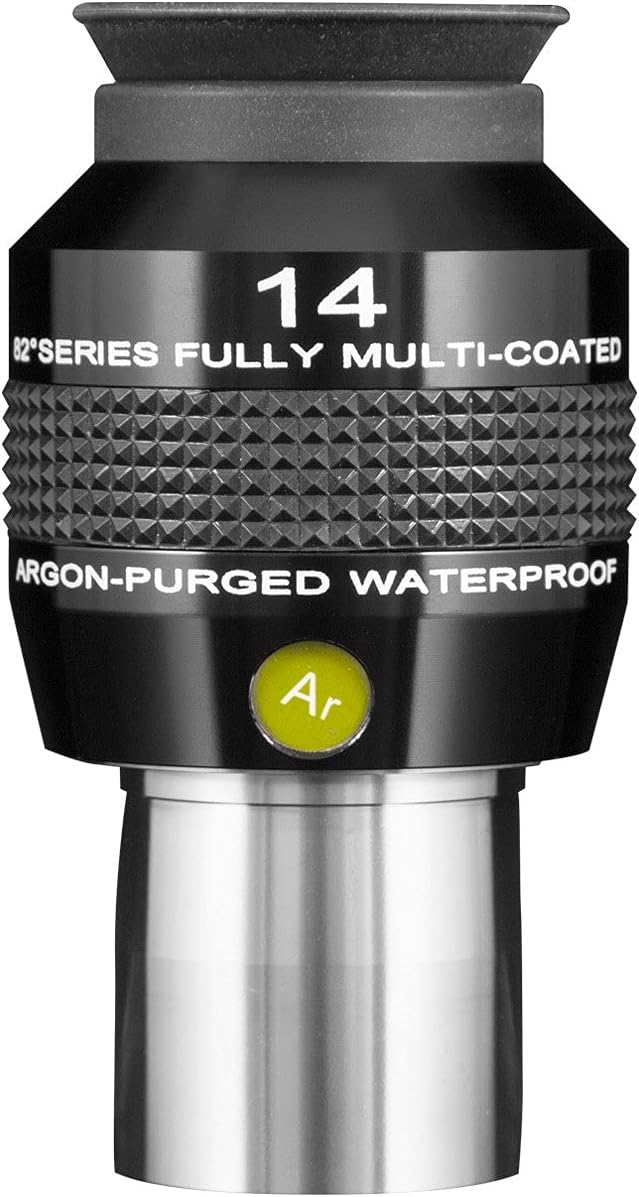
Materials Needed
Let’s jump right into the heart of it: what will you need to build your DIY eyepiece holder? Here’s what I’ve gathered over my years of constructing these helpful astronomy accessories.
- A sturdy container: I can’t stress how important this is. Think fishing tackle boxes, craft organizer cases, or even a powerful toolbox. It’s about protecting delicate eyepieces from rough handling and the elements. The type and size of the container would mostly depend on how many eyepieces you own and intend to store.
- Foam or lining: Your eyepieces need cushioning to prevent any possible damage. You can use foam, felt, or any soft material that can conform to the shapes of various eyepices.
- Cutting tools: A knife or scissors would be handy to cut your foam or lining to size. Remember, safety first!
A simple trip to a craft store or a quick online search should provide you with most if not all of these materials. In building my own eyepiece holder, I’ve found that you don’t have to break the bank to get started — the price range for all these materials can be as low as $20, depending on what options you settle for.
The table below provides a basic cost analysis for the materials:
| Material | Price Range |
|---|---|
| Sturdy Container | $10 – $50 |
| Foam/Lining | $5 – $20 |
| Cutting Tools | $5 – $15 |
Once you gather all these materials, the real fun begins: assembling your DIY eyepiece holder! In the following sections I’ll guide you through the process.
Step 1: Gathering the Tools
Now that you’re familiar with the materials needed, let’s dive right into the initial steps of creating our own DIY eyepiece holder. This part is crucial as having all necessary tools on hand will ensure a smooth sailing project.
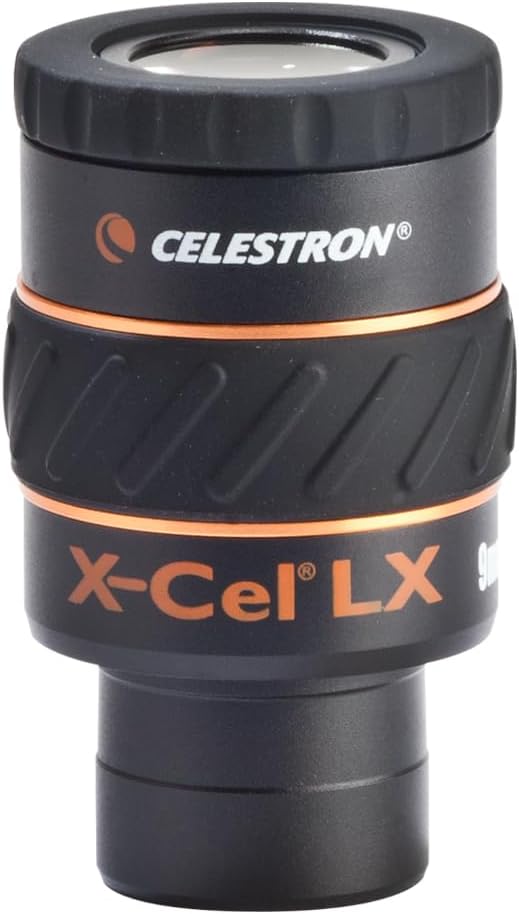
First up is the sturdy container. You might already have something at home that will work. Look for something that’s firm, secure, and large enough to hold all your eyepieces. Things like a tool box, an old lunch box, or even a sturdy shoebox could serve this purpose – it all depends on the number of eyepieces you have and their sizes. But if you can’t find something suitable, don’t fret. You can pick up an affordable container from a craft store or order one online.
Next, you’ll need foam or lining for cushioning. This provides protection for your delicate eyepieces. The lining can be crafted from many materials such as foam, felt, or even fabric. Sometimes, you might want to opt for firmer foam (for additional security) especially when dealing with pricier eyepieces. Again, these can be found both in-store or online depending on your preference.
The final components in our toolkit are versatility personified; the good old cutting tools. You’ll require sharp scissors, a sturdy box cutter or a precision knife to accurately shape the foam to fit perfectly in your chosen container. Precision is key here as an ill-fitting foam can lead to your precious eyepieces jostling about!
So, this encapsulates the collection phase of our project. Let’s review our list:
- Sturdy container
- Foam or lining
- Cutting tools
Essentially, it’s all about having the right tools at the right time. As we move forward, you’ll see how each of these elements comes together to create the perfect eyepiece holder. Remember, protect those lenses! Now, onwards into the ‘doing’ part of our DIY.
Step 2: Measuring and Cutting the Wood
With our tools at the ready, let’s venture into the core process that’ll make our DIY eyepiece holder a physical reality. It’s a satisfying experience, indeed, to watch a piece of wood transform into a dedicated home for your eyepieces.
First things first, we want to measure our wood. The size here will depend on the number and size of eyepieces you plan to store. For the sake of ease, let’s assume you’re planning on storage for five standard 1.25” eyepieces. This will require a wood piece approximately 5” x 7”. Keep in mind that these dimensions can be adjusted based on your specific requirements.
A simple, yet effective, pro tip: it’s always better to measure twice and cut once. Trust me, it helps avoid the painful reality of wasting a good piece of wood.
Next up, mark the measurements clearly on your wood. Here, we’re placing a huge emphasis on ‘clearly’. You don’t want to lose sight of these dimensions. To provide clear visibility, I tend to use a sharp pencil or a fine-tip marker.
Now comes the exciting part, the actual cutting process! With your power saw or handsaw, carefully cut the wood. Always remember to follow safety measures. Wearing protective gear such as goggles and gloves is highly recommendable.
Finally, we have our wooden base, ready for the next stage. As an optional step, you might want to smooth the edges. This is where your sandpaper comes into play. A smooth finish not only looks more professional, but it’s more pleasant to interact with.
Let’s keep the momentum going. The next phase of our DIY eyepiece holder project will move us a step closer to that perfect storage solution we’re aiming for.
Step 3: Sanding and Smoothing the Edges
After measuring twice and cutting once, it’s time to focus on sanding and smoothing the edges of your eyepiece holder. There’s a simple beauty in working with wood. I’m here to guide you through the process of making sure your DIY project is not only functional but also aesthetically pleasing.
So, you’ve got your pieces of cut wood, and they may seem pretty rough around the edges. Don’t fret. This stage is where we refine them and add that professional touch. You’ll need a piece of mid-grit sandpaper for this particular task. An 80-grit would be perfect for the job. You also have the option to use a power sander if you prefer, or if you’re dealing with larger pieces of wood.
The goal here is to remove any splinters, round off sharp corners, and create a smooth surface for finishing. All you need to do is run your sandpaper or sander along the edges of the wood. Remember to always sand in the direction of the wood grain, not against it. It affects the final finish of your wood if done incorrectly.
Now that I’ve mentioned that, let’s look at a mini safety-trivia. It’s important to be careful not to breathe in the wood dust while sanding. Consider using a Face mask and Safety glasses for personal protection.
So, here’s a quick recap:
- Use a piece of 80-grit sandpaper or a power sander.
- Sand in the direction of the wood grain.
- Use personal protective gear – a face mask and safety glasses.
I hope you’re following along nicely and excited about your DIY eyepiece holder project shaping up. Remember, the joy is in the process as much as in the outcome. Stay tuned as next, we’ll dig into the penultimate step. We’re going to talk about assembly and joinery, another essential skill in your DIY toolkit.
Step 4: Assembling the Holder
Now that we’ve properly prepared the wood, it’s time to proceed to the moment we’ve been waiting for – assembly. In this section, we will be exploring how to precisely join the wooden pieces to make your DIY eyepiece holder stand out. But remember, achieving a tight fit requires patience and lots of practice.
Bearing in mind the essence of getting the assembly right, you’ll need some essential tools such as wood glue, clamps, a mallet, and a square. The importance of getting high-quality wood glue cannot be emphasized enough, as it will provide long-lasting bonding of your wooden pieces. When it comes to clamps, they’re crucial to hold the pieces together firmly as the glue dries. As for the mallet and square, these are pivotal to ensure your eyepiece holder is perfectly aligned and secured.
To begin the process, carefully apply thin layers of wood glue to the joining edges of the wood pieces. Ensure an even coat to allow for maximum bond strength. Once you’ve done that, carefully align the pieces before pressing them together.
After aligning and joining the pieces, move ahead with clamping them down. Aim for a snug fit but avoid overtightening, as it may cause glue starvation, which leads to a weaker joint.
Your DIY eyepiece holder is now starting to take shape, but hang on – it’s not finished yet. Once you’ve meticulously assembled the holder, it’s time to let it sit and dry. The drying time depends on the type of wood glue you’ve used and the climatic conditions, but typically, it’s recommended to leave it overnight.
Step 5: Applying the Finish
The next step in creating our durable and functional DIY eyepiece holder is to apply an appropriate finish. This stage gives our project not only an aesthetically appealing appearance but also additional strength and durability. It’s essential that we choose the finish wisely as it can significantly influence the overall look and performance of the eyepiece holder.
A popular option with woodworkers is a mix of oil-based varnish together with thinner in a 50:50 ratio. This mix provides a clean, glossy look and a strong protective layer that defends the wood against scratches, dust, or moisture. The ingredients – varnish and thinner – can be found in almost any hardware or paint store, making it a convenient choice.
Before we start applying the finish, let’s prepare the surface. This means ensuring it’s completely dry (as mentioned in the previous steps, it is recommended to leave the assembled holder to sit overnight) and sanding any rough edges with a light grit sandpaper.
We then move on to applying the first coat of our mix. Utilizing a quality brush, it’s important to go with the grain of the wood, much like you’d brush your hair. If the layer is too thick, it could dry unevenly and leave streaks. .Let the first layer dry for 24 hours before proceeding.
Patience is key in this step. Do not rush the drying process. Rushing it, could potentially ruin the final outcome of the product. After the first layer is dry, lightly sand the surface again before applying the second coat in the same manner. Repetition of this process will ensure an optimal finish.
Now while you might think we’re done at this point, we’re not. In the upcoming section, we’re going to dive into the final steps of our project, which are equally important to the overall success and functionality of our DIY eyepiece holder. Stay tuned and get ready to bring your project to life.
Step 6: Adding the Eyepiece Slots
Now that we’ve created a sturdy base and finished it with a top notch varnish, it’s time for us to drill in the eyepiece slots. This vital aspect can’t be ignored as it’s instrumental to creating a functional eyepiece holder.
I decided to place three slots for the eyepieces in my holder, but you can plot as many as your eyepiece collection demands. Remember a personal touch is the beauty of DIY projects.
The first and important step for drilling slots is measurement. Measure and mark the exact points where the slots are to be located. Carefully calculate to ensure even spacing between each slot and take into account the size of your eyepieces. Here are some measurements I found to work best:
| Number of Slots | Slot spacing | Slot Diameter |
|---|---|---|
| 3 | 1 inch | 2 inch |
Use a drill press if available for preciseness or a handheld drill can also do the job. Next, select a drill bit that matches the diameter of your eyepiece. Don’t force the drill. Just apply gentle pressure and allow the drill to do its job. A perfect slot should be free from splinters and rough edges. If it isn’t, don’t worry! A little bit of sanding will make it smooth and fit for your eyepieces.
Again it’s pertinent to stress the importance of PPE – Personal Protective Equipment. Never attempt to drill without proper safety measures in place. The smallest sliver can cause serious damage to your eyes. Safety goggles are a must while working on this project.
Step 7: Testing and Adjusting
After we’ve successfully added the eyepiece slots, it’s now time to move ahead. We’ll conduct some testing and adjustments to make sure our DIY eyepiece holder’s not just aesthetically appealing but also functional.
The first thing you’ll need to do is to gently fit your eyepieces into the slots we’ve created. Be very careful here not to force anything. It should slide in effortlessly. If you encounter any resistance, this is the moment to make any necessary adjustments. Remember, the key is to ensure the safety of your delicate eyepieces.
To make adjustments you might need to:
- Use sandpaper to softly sand down any rough edges.
- Rework on inconsistent slot sizes using the same drill bit as before.
It’s crucial to note right away if there’s a fit issue. You don’t want to realize this at the end when it’s time to use the holder.
The second phase includes testing, which encompasses just trying out the holder as you would in normal circumstances. Make an effort to mimic real-world use in this stage of testing. This means you’ll need to:
- Put the holder in the location you typically observe from.
- Insert and remove eyepieces in both day and night settings.
- Carry the holder around as you normally would.
This “real-world” testing helps you to identify any functionality issues that wouldn’t typically come up in a more casual test.
Remember, the process of building a DIY eyepiece holder is not about getting it perfect the first time. It’s about making persistent improvements until you have something that works well for you and meets your specific needs. So, don’t get disheartened if you have to make several adjustments, that’s just part of the journey. And who knows? You might actually enjoy the problem-solving aspect of this project as much as I do.
The next segment will cover how to apply the finishing touches to your DIY eyepiece holder, so stay tuned.
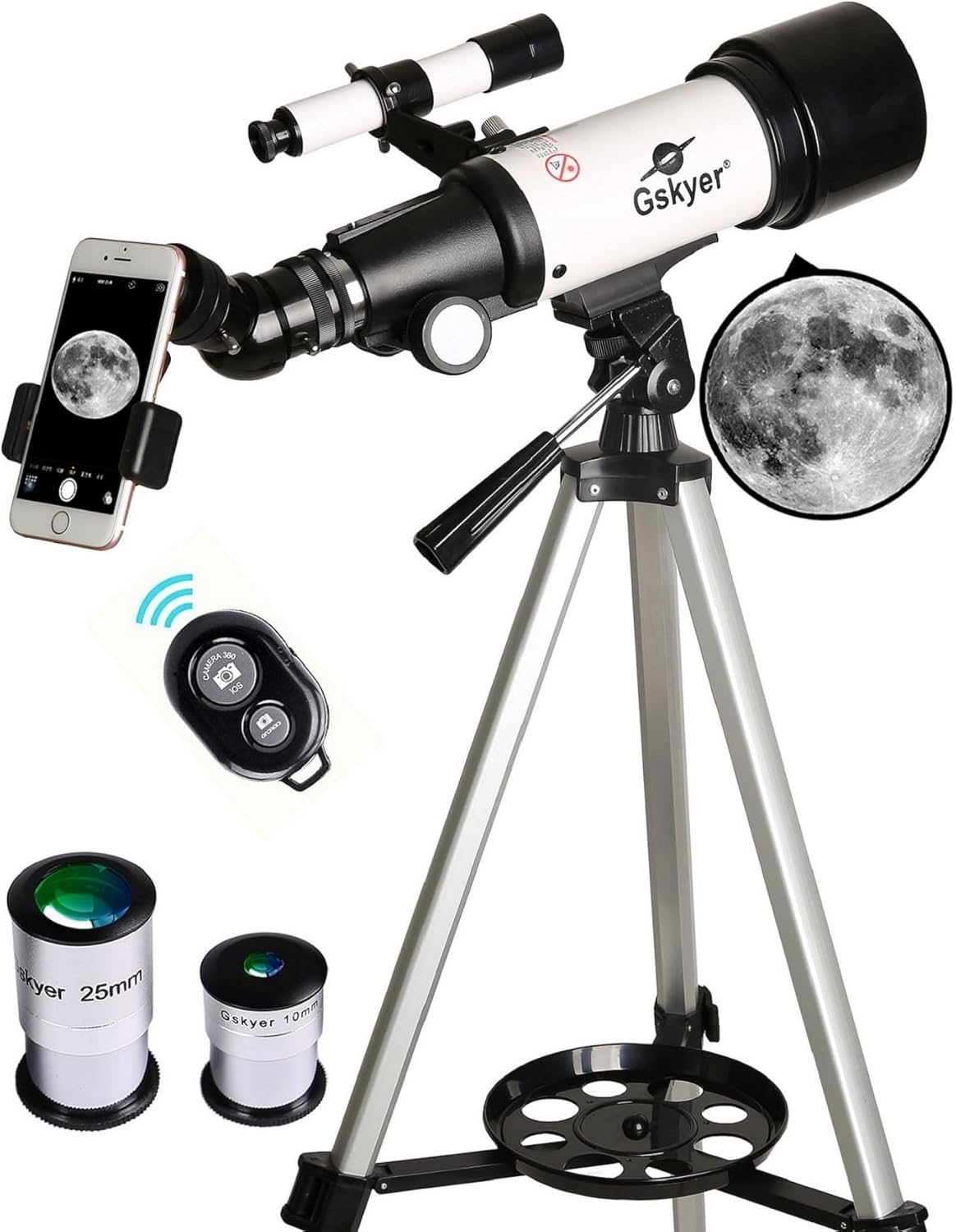
Conclusion
So there you have it. I’ve walked you through the process of creating your very own eyepiece holder, right from the initial steps to the final adjustments. Remember, it’s all about patience, persistence, and problem-solving. The final product won’t just be a handy accessory for your eyepieces, but also a testament to your DIY skills. Don’t be disheartened if it’s not perfect on the first try. It’s the improvements you make along the way that truly count. With real-world testing and subsequent adjustments, you’ll end up with a holder that’s both functional and aesthetically pleasing. So go ahead, give it a shot, and add a personal touch to your astronomy gear.
Frequently Asked Questions
What does the article cover?
The article provides a step-by-step guide on creating a DIY eyepiece holder. Not only does it dwell upon the building process but it also discusses testing and making required adjustments.
What does the testing phase involve?
Testing involves placing the eyepieces into the slots of the holder, scrutinizing for any inconsistencies, rough edges, and after that, making any necessary adjustments. It also includes real-world testing.
What does the real-world testing mean?
Real-world testing refers to using the holder in various everyday contexts, such as inserting and removing eyepieces, carrying it around to ensure its practical functionality beyond the workshop.
How is the process of building a DIY eyepiece holder described?
The process of building a DIY eyepiece holder is described as an iterative process consisting of persistent improvements and problem-solving.
What is covered in the next segment of the article?
The next segment of the article will cover how to apply the finishing touches to your eyepiece holder.