- A Dobsonian is the most cost-effective large aperture telescope - builders can achieve 12-16 inch mirrors for a fraction of commercial cost.
- The mirror is the heart of the build - you can grind and polish your own, or purchase a pre-made mirror blank to save time.
- The alt-azimuth rocker box is straightforward to build from plywood and Teflon bearings.
- Collimation is critical - proper mirror alignment is needed every session for sharp views.
🌌 Want More Stargazing Tips?
Join 1,500+ astronomers. Weekly sky guides, no spam.
Building a Dobsonian telescope is one of the most rewarding projects in amateur astronomy. With basic woodworking skills and the right materials, you can create a large-aperture telescope that rivals commercial scopes costing many times more.
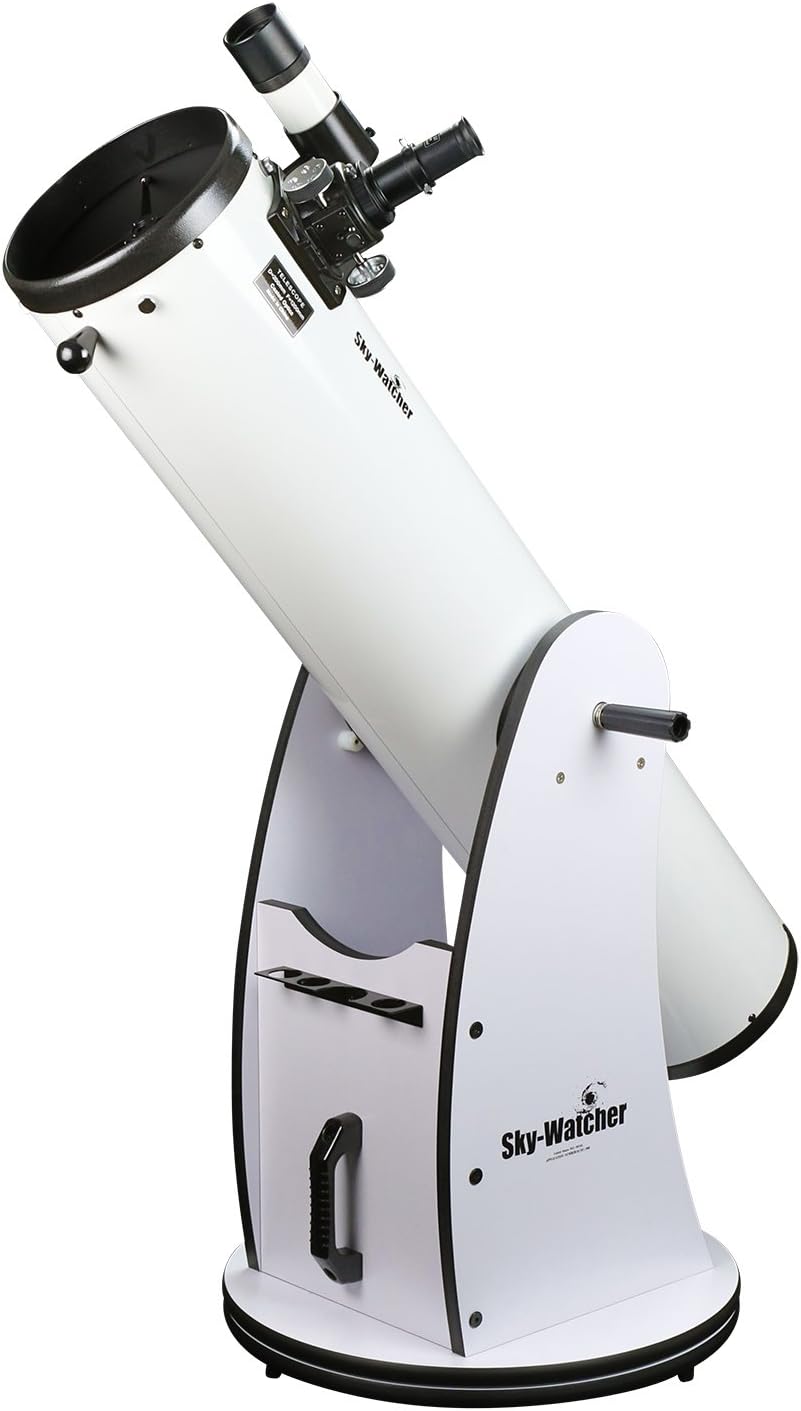
Materials and Tools for Building a Dobsonian Telescope
Building a Dobsonian telescope from scratch is an incredible adventure that combines creativity, technical understanding, and a love for astronomy.
Here’s a detailed look at the materials and tools required to build a Dobsonian telescope:
The optical heart of a Dobsonian telescope consists of the primary mirror and secondary mirror. The primary mirror, typically around 6 to 8 inches in diameter for a beginner’s project, collects and focuses light from distant objects.
This mirror’s focal length determines the overall size of the entire telescope, so it’s crucial to select the right one for your needs.
The secondary mirror is a flat mirror that redirects this focused light into the eyepiece.
Step-by-Step Guide for Building a Dobsonian Telescope
Step-by-step guide for building a Dobsonian telescope
Here are the steps involved in the construction of a Dobsonian telescope:
1. Prepare the base (ground board)
The foundation of the Dobsonian telescope lies in its base. Choosing the right wood, preferably plywood, is crucial for the ground board, as it must support the entire scope.
You must cut the wood into the desired shape that fits the mirror box dimensions using a hand saw or jigsaw.
You must take great care to measure the wood accurately with a measuring tape, marking lines with a ruler.
Once cut to size, sand down the edges to create a smooth finish. This provides an aesthetic touch and removes any splinters or rough spots that might interfere with assembly later on. You may employ different grits of sandpaper to refine the surface to the desired smoothness.
Finally, apply a coat of paint or finish to the base. This step adds color to the telescope and protects against moisture.
Depending on the type of paint or finish you use, this step might take a few weeks to dry properly. The finished base becomes the sturdy platform on which you mount the entire scope.
2. Construct altitude and azimuth bearings
In this critical step, you fashion and assemble the altitude and azimuth bearings. You must cut wooden or plastic discs using a jigsaw for the altitude bearings.
Simultaneously, install a turntable or lazy Susan to create the azimuth bearing, enabling smooth horizontal movement.
Precisely align and secure the mounting points with bolts, allowing smooth movement across both axes.
Teflon pads help reduce friction between moving parts, a vital component for ease of movement.
Position these pads to optimize contact between surfaces, ensuring smooth, easy tracking of celestial objects - a feature characteristic of Dobsonian telescopes.
Constructing a Dobsonian telescope is more than just a project; it’s a creative adventure. By following this step-by-step guide, beginners will gain insight into the world of amateur astronomy and acquire hands-on experience that no commercial product can offer.
The result is a personalized tool that enhances your connection with the sky. Feel the thrill of constructing your Dobsonian telescope. This guide is your blueprint, your friend, and your inspiration.