- Gather Tools - Ensure you have all necessary materials before starting your DIY project.
- Select Compatibility - Choose the right type of remote shutter release for your specific camera model.
- Design Your Release - Plan the layout and components of your DIY remote shutter for optimal functionality.
- Test Thoroughly - Troubleshoot and test your DIY shutter release to ensure it works effectively.
Before we begin crafting our DIY camera remote shutter release, it’s essential to have all of our tools and materials together. Ensuring you’ve got everything you need at hand eliminates the need to pause construction midway, promoting an efficient and enjoyable building process.
Gather the necessary tools and materials
To get started, you’ll need a 3.5mm audio cable. This cable will create the connection between the shutter release and your camera. A 3.5mm jack is typical for many DSLRs, but you should verify the correct format for your specific camera model.
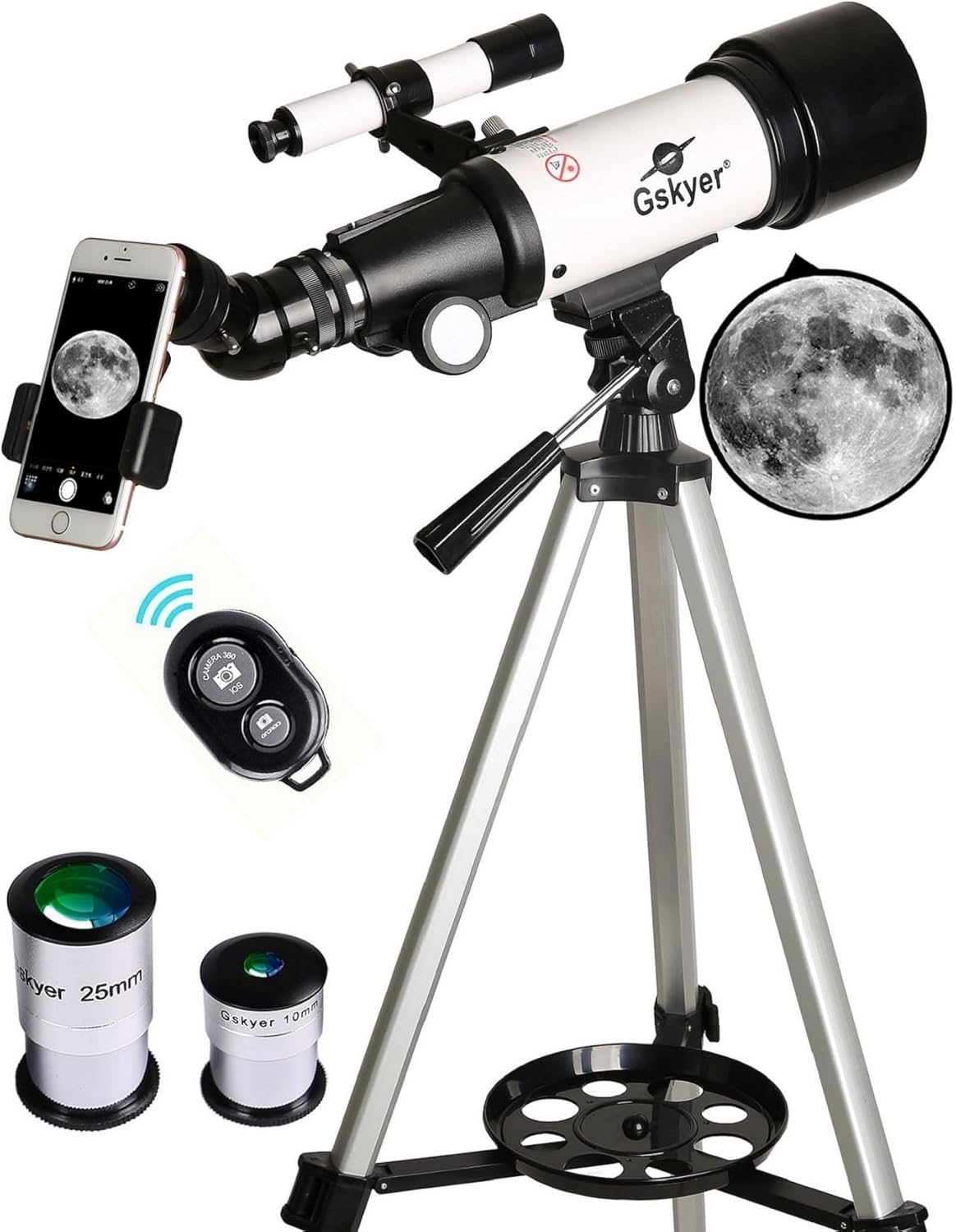
You’ll also need an audio plug adapter. The plug adapter allows the 3.5mm audio cable to be adapted for whatever plug format your camera uses. Don’t worry if you’re unsure what kind of adapter you need, take a look at your camera’s user manual or conduct a simple Google search to figure it out.
Let’s not forget about the on/off switch. This is a vital component for our DIY remote shutter release. It acts as the trigger to initiate the capturing process in your camera.
Finally, you’ll need a soldering iron and some solder wire. These tools will help connect all the components effectively and safely. Remember to use these with caution and in a well-ventilated area. If you’re a novice in soldering, I encourage you to watch a few tutorials before you begin.
Here is a simple overview of the tools and materials you need:
| Material/Tool | Quantity |
|---|---|
| 3.5mm audio cable | 1 |
| Audio plug adapter | 1 |
| On/off switch | 1 |
| Soldering iron | 1 |
| Solder wire | As needed |
With these tools and materials ready, we are set to start our fun DIY project of creating a camera remote shutter release! Soon, you’ll be the proud owner of a useful, hand-constructed device that’ll enhance your photography pursuits.
Understand the basic principles of a camera remote shutter release
Now that we’ve outlined the tools and materials you’ll need, let’s delve a bit deeper into the technology that makes a camera remote shutter release function. Understanding the basic principles will not only enrich your DIY experience but also enhance your photography skills.
The most critical principle behind a camera remote shutter release is the concept of triggering the shutter without physical contact with the camera body. This allows the photographer to capture an image without inducing camera shake, pivotal for maintaining image sharpness particularly in long exposure photography.
In essence, a remote shutter release acts as an extension of the camera’s shutter button. Different types of remote shutters use different communication methods with the camera, such as infrasound, radio waves, or a physical wire connection. In our DIY project, we’ll use a physical wire connection due to its simplicity and reliability.
Let’s consider a typical scenario involving a camera remote shutter. When you press the release button on the remote, it sends a signal to the camera. Cameras are designed to recognize this signal as an instruction to open the shutter. When released, the camera identifies this as a command to close the shutter. Thus, you control the exact moment of image capture.
As we progress on our DIY journey, remember this basic principle: by manipulating this start and stop mechanism, we’re creating our own remote shutter release. As we move to the next step of our project, we’ll take all this knowledge and put it into practice. I’ll teach you how to connect each component so your DIY remote shutter will be up and running in no time.
Choose the right type of remote shutter release for your camera
One detail you absolutely can’t skip in this DIY project is identifying the right kind of remote shutter release for your camera. If you’re a photography enthusiast, you’ll appreciate that cameras have as many nuances as the individuals using them. Each manufacturer, and indeed every model, offers unique characteristics and functionalities. And yes, this includes the remote shutter release.
There are several types of remote shutter releases – infrared, radio, and wired. Each comes with its own set of pros and cons. Given its simplicity and reliability, we’ll focus our DIY project on a wired remote shutter release. However, it’s essential to understand all types briefly.
Infrared releases work on the principle of light transmission, similar to how your TV remote functions. The downside? They require line-of-sight to operate and may falter in bright light conditions.
Then there are radio releases. Known for their superior range and flexibility, radio releases don’t need line-of-sight. However, they’re vulnerable to interference from other radio devices, which could cause unexpected behavior.
Last but not least, wired releases come in handy when more reliability is required. They directly connect to the camera, offering a stable and consistent operation. They’re simple to use, reliable, and not subject to interference like the other types can be. Yet, you’d have to deal with the restriction in movement due to the physical wire.
Here’s a table highlighting the differences:
| Type | Advantages | Disadvantages |
|---|---|---|
| Infrared | Wireless, Easy to use | Needs line-of-sight, Falters in bright light |
| Radio | Wireless, Superior range | Subject to interference |
| Wired | Reliable, Not prone to interference | Restricts movement |
As a DIYer, it’s your creative right to choose the model you feel would best suit your style. Think about your photography needs, the environments you work in, and the kind of comfort and freedom you look for. Keep that in mind as we dive deeper into setting up a wired remote shutter release.
Plan and design your DIY remote shutter release
Now that you’ve gained a solid understanding of the different types of remote shutter releases and their functionalities, it’s time to discuss planning and designing a DIY remote shutter release. This process is crucial; it’ll ensure your DIY solution works flawlessly with your camera.
First, you’ll need to take into account the compatibility with your camera. Not all cameras have the same remote shutter release connection type, so you’ll need to check your camera’s user manual or research online to find out which one is compatible with your camera.
For this DIY project, we are focusing on a wired remote shutter release. This type offers a reliable connection which is critical for those perfect time-lapse photos and long-exposure shots.
The materials you need for building a DIY wired remote shutter release include:
- 2.5mm Stereo Plug
- Momentary Switch
- Enclosure Box
- Wire
- Soldering Iron
In essence, your design should include a momentary switch that performs the shutter release function. This will be connected to the stereo plug using a wire. The whole setup should ideally be housed within an enclosure box for protection and easy handling.
Next comes the most crucial step, wiring. Ensure that the wiring is done correctly; otherwise, your device may not function as expected. For that, you’ll need a basic understanding of soldering. If you’re unsure, there are plenty of online resources available where you can quickly learn the basics of soldering.
Remember to gather all your supplies together before beginning. Having everything at your fingertips makes the process a lot smoother and more enjoyable. As you progress with your DIY project, you’ll be amazed at how rewarding and fulfilling it is to create something that enhances your photography experience.
Assemble the components of the remote shutter release
Now that you have all the necessary materials in hand, let’s get started with the assembly. Prepare a nice, clean workplace, preferably a table, where you can easily store and manage all these components. A bit of organization at this stage will save you a lot of hassles down the line.
First up, grab your 2.5mm stereo plug. This will act as the main connector between your homemade shutter release button and your camera. Remember, the stereo plug must match the input socket of your camera – it’s important to avoid any compatibility issues.
Let’s move onto the momentary switch. It’ll act as the shutter button in your remote release. Secure it within your chosen enclosure box – this could be anything from a tiny plastic case to an old film canister. Once you’ve installed the switch, make sure it’s easily accessible and clicks smoothly.
Next, start wiring the device. The exact configuration here will depend on your specific camera model and the type of switch you’re using, but the principle remains the same. The stereo plug should connect to the shutter button, represented by your momentary switch. Be sure to follow any wiring diagrams you’ve found for your specific camera brand.
Be patient with this process, as it might take a while. Use your soldering iron carefully to secure the wiring connections – safety is key in this DIY endeavor.
After the wiring, test out your device. Plug the stereo connector into your camera, press the switch. There should be a slight delay, but your camera should fire a shot. If it doesn’t, double-check your wiring connections.
Building your own remote shutter release might seem like a challenging task, but once you get started, it’s just a few simple steps. And the result? A hassle-free, reliable shutter release that’s perfectly tailored to your specific camera, enhancing your photography experience. Don’t hesitate to make adjustments along the way – this is your DIY project, after all.
Test and troubleshoot your DIY remote shutter release
After assembling your DIY remote shutter release, it’s time to give it a test run. This step is vital, as testing will ensure you’ve wired your device correctly – a crucial aspect of a successful build. Remember, different cameras require different wiring, and testing is the time to sort out any inconsistencies.
Performing a Test Run
I recommend starting with a basic functionality test. Simply plug the device into your camera and attempt to take a photo. If your camera responds, great! You’ve got the basics right. If not, it’s back to the drawing board. Re-check your wiring and make sure everything is correctly connected.
Troubleshooting
When troubleshooting, divide the problem into smaller, manageable chunks. Is your stereo plug making contact? Is the momentary switch functionally sound? Each component is important, and the device won’t function optimally if even one part is faulty. If you encounter problems, identify and isolate the faulty part, then replace it.
A Note on Versatility
Keep in mind, the DIY remote shutter release is designed to be versatile. While you may have set it up to work with one specific camera, it’s worth trying it out with different camera models. This will not only broaden its usability but also help ensure that the device is functioning flawlessly. You might even uncover a few tweaks that further enhance its performance.
Always be open to making adjustments. This is, after all, a DIY project, and one of the biggest benefits of a DIY project is the potential to tailor it to your specific needs. Taking the time now to test and troubleshoot your DIY remote shutter release will reward you in the long run.
Conclusion
I’ve walked you through the process of building a DIY camera remote shutter release. You’ve seen how testing and troubleshooting play a crucial role in ensuring your device works as expected. If your camera doesn’t respond, don’t panic! Check the wiring and replace any faulty components. Remember, the beauty of this DIY project lies in its versatility. It’s designed to work with various camera models, offering you the freedom to experiment.
The real fun begins when you start making adjustments, tailoring the device to meet your specific needs. So, don’t stop at just building it. Keep refining and perfecting your DIY remote shutter release. It’s not just about creating a tool, it’s about enhancing your photography experience.