- Location is everything — choose a spot with minimal light pollution, unobstructed sky, and stable ground.
- Design around your telescope — the mount type determines your observatory layout and pier placement.
- Roll-off roof vs. dome — roll-off roofs are easier to build and offer wider sky access; domes provide better wind and light protection.
- Include utilities from the start — power outlets, red lighting, and internet connectivity make sessions far more productive.
🌌 Want More Stargazing Tips?
Join 1,500+ astronomers. Weekly sky guides, no spam.
Building a home observatory is one of the most rewarding projects an astronomy enthusiast can undertake. With the right plan, you can create your own private space for celestial exploration, astrophotography, and nightly stargazing sessions.
Benefits of Having a Home Observatory
A home observatory provides unhindered access to the night sky all year round. No more tedious trips to remote locations to escape city lights. Your personal slice of the cosmos waits just steps from your back door.
Beyond convenience, a home observatory gives you full control over when and what you observe. Whether it’s Saturn’s rings or a distant galaxy cluster, you set the schedule. A well-constructed observatory can also boost your home’s value and offers educational opportunities for the whole family.
Choosing the Right Location
The most important factor in your observatory plan is location selection. You need an unobstructed view of the sky, ideally with minimal light pollution from nearby houses and street lights. The site should have stable ground to support a concrete pier for your telescope mount.
Consider local climate as well — prevailing wind direction, typical humidity, and how many clear nights per year you can expect. Accessibility matters too: a spot that requires trudging through wet grass in the dark will see less use than one right outside your back door.
Designing Your Home Observatory
Your two main structural choices are a dome or a roll-off roof. Domes rotate to follow the sky and shield equipment from wind and stray light, but are more complex and expensive to build. Roll-off roof observatories open the entire sky at once, are cheaper to construct, and allow better airflow for thermal equilibration.
- Dome observatories: Better wind protection, classic appearance, retains heat on cold nights.
- Roll-off roof observatories: Wider sky access, easier construction, lower cost, better thermal equilibration.
Plan your interior layout around your telescope and mount. Include seating, storage for accessories, a computer workstation if needed, and red LED lighting. Most importantly, run power outlets and internet cabling during construction — retrofitting is much harder.
🔭 Want our top telescope picks for 2026?
Join 1,500+ astronomers getting weekly gear reviews, deals, and stargazing tips. Free.
Essential Equipment for Your Observatory
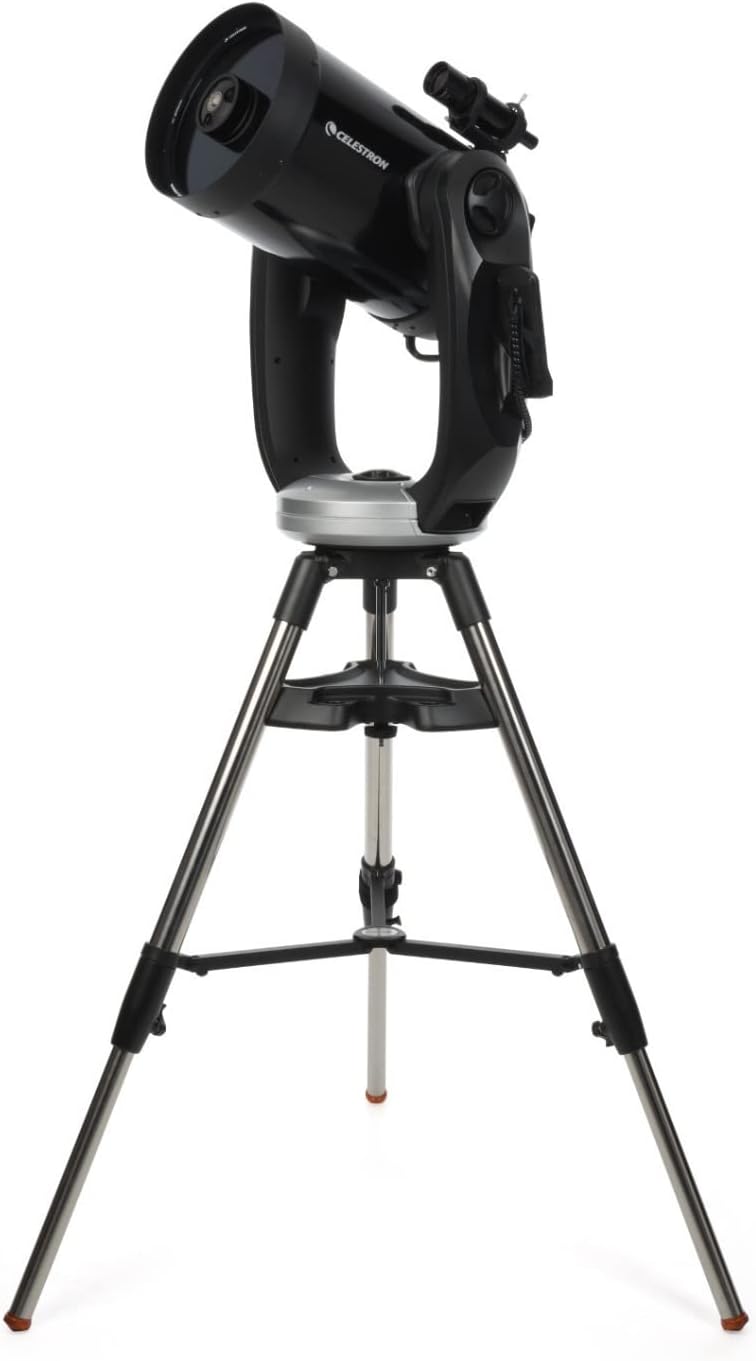
Your telescope and mount are the centerpiece of any home observatory. For a permanent setup, a GoTo computerized mount on a concrete pier makes alignment faster and tracking more reliable. Equatorial mounts are preferred for astrophotography, while alt-azimuth GoTo mounts work well for visual observing.
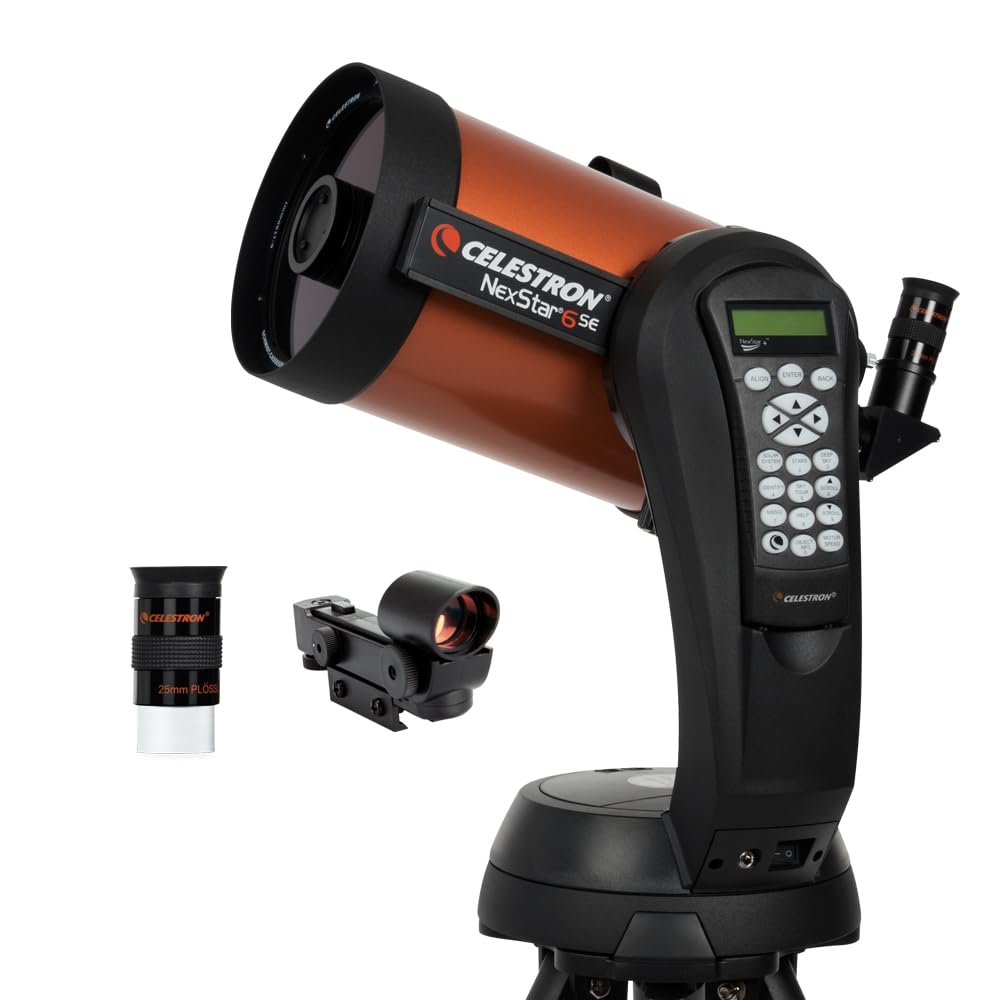
Other essential items include a variety of eyepieces, a red LED flashlight to preserve night vision, star charts or a sky app, and comfortable seating for long observing sessions. For astrophotography, add a camera, autoguider, and imaging software.
Maintenance and Troubleshooting
Regular maintenance keeps your observatory performing at its best. Clean telescope optics periodically with a proper lens kit — never household cleaners. Check mount alignment routinely, especially after temperature swings that can shift collimation. Keep moisture under control with a dehumidifier or desiccant packs to protect sensitive electronics and optics.
Common issues include telescope misalignment (re-collimate as needed), sticky focusers (clean and lubricate), and GoTo pointing errors (redo alignment with more reference stars). Environmental factors like humidity and temperature fluctuations affect viewing quality, so keep an eye on local weather forecasts.